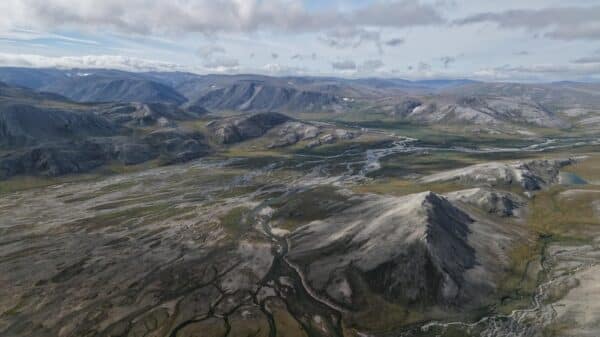
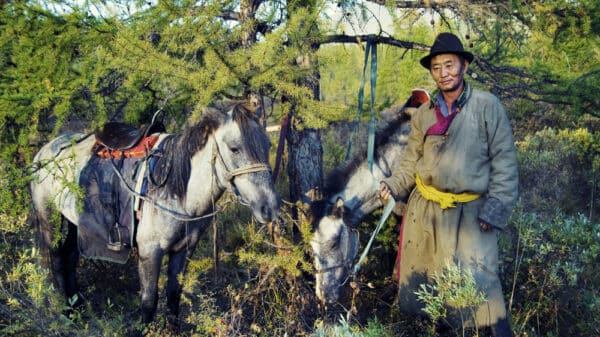











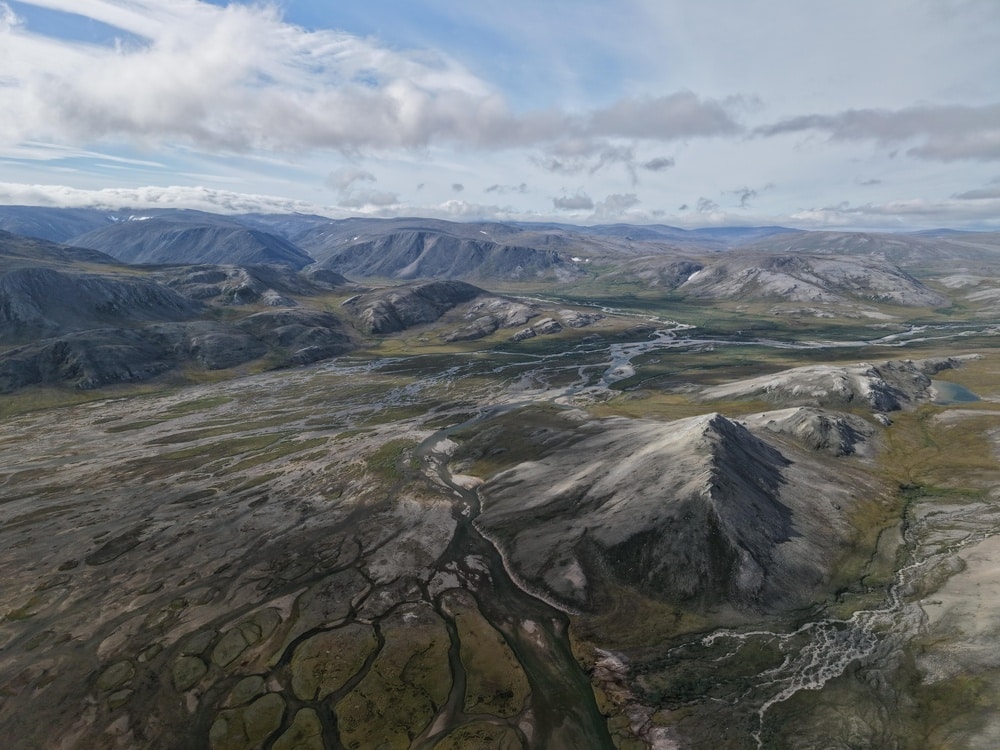
The profound seclusion of Chukotka cultivates a sense of mystery, making it feel like the edge of the world, a place where the Chukchi culture persists amid harsh climates—dependent on reindeer herding and marine hunting for survival. My personal journey to Chukotka has been one of the most enriching travel experiences I’ve encountered.
This comprehensive guide aims to equip you with essential information for your adventure to Chukotka.
 Quick and Interesting Facts
| Capital | Anadyr |
| Estimated Population | Approximately 50,000 |
| Distance from Moscow | About 7,000 km |
| Distance from Alaska | 85 km from Cape Dezhnev and Cape Prince of Wales |
| Size | Similar to Turkey, covering 737,700 km² |
| Time Zone | Chukotka Time (UTC+12), 10 hours ahead of Western Europe |
 Introduction: Why Chukotka Should Be on Your Travel List
My fascination with unexplored destinations has led me to many intriguing places, but few compare to the allure of Chukotka—a remote region that eludes the gaze of most travelers. Remarkably, even the Russian edition of Lonely Planet bypasses Chukotka.
My adventure began serendipitously when I was invited to join an exploratory expedition with local Russians. Hesitant to pass up the opportunity, I eagerly accepted. Chukotka’s remoteness and vibrant indigenous culture were compelling draws. The Chukchi people retain rich traditions of reindeer herding and marine mammal hunting, crafting a lifestyle that has thrived in the planet’s more extreme settings.
It is astounding to observe how local wildlife shapes the lives of the inhabitants, making this experience distinctive and rewarding for curious travelers.
 Meet the Chukchi: Indigenous Islanders of Chukotka
The Chukchi represent the primary ethnic group in Chukotka. With a cultural heritage akin to the Arctic peoples known as Eskimos—including Inuit and Yupik—the Chukchi traditionally engage in two lifestyles: the reindeer Chukchi, who traverse the tundra alongside their herds, and maritime Chukchi, who live along the coastline, reliant on fishing and hunting marine mammals.
Chukchi culture mirrors its Arctic surroundings, woven into their music, folklore, and cuisine that heavily includes whale, walrus, and reindeer. Despite historical pressures towards assimilation, traditional Chukchi lifestyles endure, remaining central to their identity and survival.
Experiencing this extraordinary culture firsthand, alongside their challenging way of life, adds an enriching dimension to any journey.
 The Practice of Whale Hunting in Chukotka
Whale hunting is a critical, yet controversial, aspect of Chukchi culture. Adventurous travelers can spend days with local whalers, absorbing their traditions and, if conditions permit, participating in a hunting expedition.
It’s essential to comprehend the context behind this practice. The harsh, isolated conditions in Chukotka lack farming potential, so whale meat becomes indispensable to local diets, providing essential nutrients amidst limited food supply.
Regulated by the International Whaling Commission, the Chukchi are permitted to hunt under strict guidelines to ensure sustainability:
Hunting Methods
Available methods for whaling are traditional—no machinery—relying solely on hand-held harpoons to ensure ethical practices.
Quota Limitations
The maximum yearly quota for Chukotka includes:
- 130 gray whales
- 2-3 Greenland whales (bowhead)
- 18 belugas
Both orcas and humpback whales are off-limits due to their endangered status.
Food for Locals Only
All harvested whale products are strictly for personal use. As mandated by law, trade in whale products is prohibited. Once a whale is caught, community members gather to share the meat, reinforcing the communal aspect of this ancient practice.
 How to Reach Chukotka
With no roads or railways linking Chukotka to the rest of Russia, air travel serves as the sole means of transportation. The nearest train station is located in Yakutsk, over 2,300 km away.
Aeroflot operates a limited number of flights from Moscow to Anadyr Airport (DYR), taking approximately eight hours. Other routes may include flights from Krasnoyarsk, Khabarovsk, and Petropavlovsk-Kamchatskiy.
Please note current sanctions might affect booking through Aeroflot’s website, so checking alternative platforms like reputable travel sites could be crucial.
 Navigating Around Chukotka
Reaching Anadyr is a commendable feat in itself. However, traversing Chukotka presents its own challenges due to the lack of infrastructure. Air travel remains the only viable option to visit other parts of the region.
The only airline, Chukotavia, operates small aircraft, and securing a seat can be a task due to high demand and unpredictable schedules dictated by weather conditions. Advance booking is essential.
 Financial Insights for Chukotka
The Russian Ruble is the currency in Chukotka, aligning with the rest of Russia. However, due to sanctions, international cards tend to be less effective, complicating transactions.
Currency Exchange Options
While it may be possible to exchange foreign currencies like Euros or US dollars at Sberbank in Anadyr, it is prudent to change any currency to Rubles beforehand in Moscow to avoid inconveniences. Outside Anandyr, you’re unlikely to find foreign currency services.
 Where to Stay in Chukotka
Accommodation in Chukotka is limited and challenging to secure.
Accommodations in Anadyr
Anadyr has scarce hotel options, with a primary establishment often priced around 150 EUR per night. Booking in advance can be complicated, as rooms are often reserved for airline staff.
Many travelers opt for private apartments arranged through local connections rather than listed hotel accommodations.
Staying Outside Anadyr
In other villages across Chukotka, accommodation is often found in local residences rather than tourist arrangements. However, standards will vary; they are lived-in homes where cleanliness may differ greatly depending on the host.
 Internet Access in Chukotka
Internet connectivity relies heavily on your location. My experience with an eSIM from a popular service provider worked in Anadyr but was nearly non-existent elsewhere. Unless you are in Anadyr, prepare to stay offline.
 Notable Locations to Visit in Chukotka
This guide is rooted in my expeditions across the southeastern coast of Chukotka, where I immersed myself within the culture of the Chukchi people. The focus was on ethnography, but wildlife experiences complemented my journey.
Map of Significant Locations in Chukotka
Anadyr: The Gateway to Chukotka
Anadyr, with a population of around 15,000, serves as the capital of Chukotka. This port city is enveloped in tundra, providing limited activities aside from exploring its unique architecture and observing wildlife.
Chukchi comprise only about 15% of the local population, with commuters from various regions of Russia forming a vibrant mix of cultures.
Military Legacy of Anadyr
Throughout the Cold War, Chukotka was heavily fortified. This militarization has left remnants, including abandoned nuclear facilities that can still be toured, revealing a ghostly snapshot of a bygone era.
Lorino: The Whaling Center
With around 1,500 residents, Lorino is the focal point for marine Chukchi culture and whaling activities. Opportunities to engage with local traditions are abundant, thanks to the welcoming nature of the inhabitants.
Lavrentiya: A Larger Settlement
Lavrentiya boasts an airport and wider services compared to Lorino. Though simplistic, this settlement provides a deeper glimpse into everyday life in Chukotka.
Uelen: The Edge of the World
Uelen stands as the easternmost community, celebrated for its historic significance. My planned visit was thwarted by unpredictable weather, emphasizing the region’s raw beauty and unpredictability.
Mapyk: The Echoes of History
This long-abandoned Yupik settlement resonates with history through its skeletal remains made from natural formations. Caution is necessary here, given the area’s bear population.
Reindeer Herders’ Nomadic Camp
The nomadic lifestyle of reindeer herders reflects a profound connection with their environment, offering fascinating interactions should you manage to connect with a herding group during your visit.
Cape Dezhnev: The Furthest Edge
As the easternmost point of Eurasia, Cape Dezhnev delivers breathtaking views over the Bering Strait and showcases remarkable wildlife—including puffins and seals.
In conclusion, Chukotka invites a unique kind of traveler—those seeking not just a destination, but an adventure that delves deep into untouched landscapes and diverse cultures. This hidden frontier of Russia offers experiences that go beyond mere sightseeing, immersing you in a world shaped by ancient traditions and a deep connection to nature. If you’re ready to step off the beaten path, Chukotka awaits as a remarkable journey of discovery.