














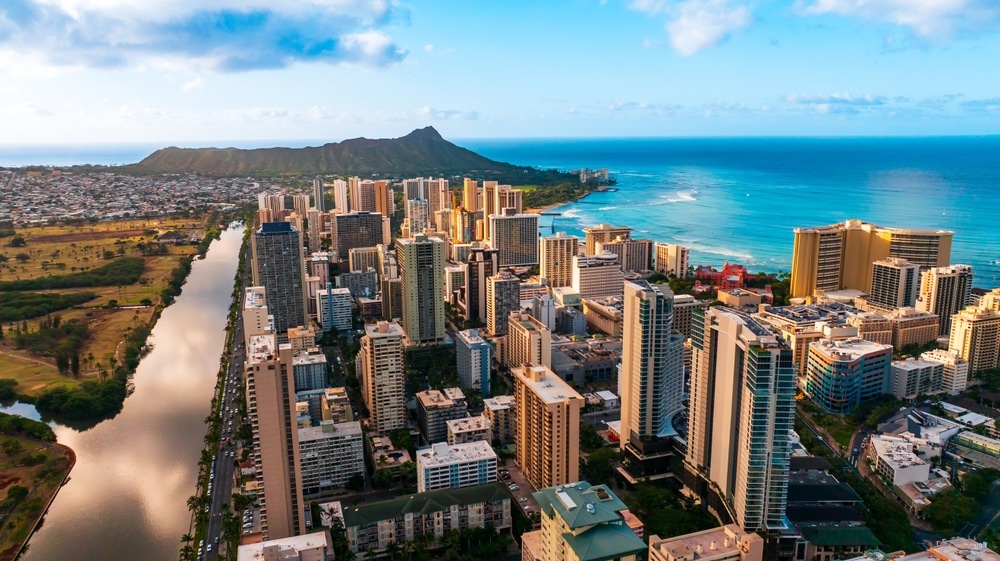
Hawaii’s tourism sector stands at a crucial crossroads in 2026, grappling with stagnant recovery after the pandemic’s impact. While there are signs of improvement in visitor spending, the number of tourists continues to lag behind pre-pandemic levels. The islands now face an uphill battle against fierce competition from global destinations that are not only marketing aggressively but also evolving to attract a diverse mix of travelers.
The Hawaii Department of Business, Economic Development & Tourism (DBEDT) has noted that although spending figures saw a rise in late 2025 and early 2026, total visitor arrivals have remained flat. Competing with tropical paradises like Fiji, Mexico, and various Caribbean islands, Hawaii struggles to reestablish itself as the go-to destination for American travelers seeking sun-soaked getaways.
Tourism Stats: A Mixed Bag for Hawaii
Statistics for the first quarter of 2026 tell a nuanced story. Visitor arrivals have dipped by about 4% compared to the same time last year, a troubling sign for an industry heavily reliant on tourism. Although spending increased nearly 4% in the same time frame, the struggle to regain the visitor numbers seen in the years before the pandemic remains evident.
Notably, traditional markets such as Canada and Japan have shown signs of weakness, with potential visitors opting for destinations that promise a better bang for their buck. Economic realities like fluctuating exchange rates and rising airfare costs are nudging international travelers toward more accessible and cost-effective options.
On a more positive note, domestic travel has remained steady. American tourists are still drawn to the beauty and culture of the islands. Yet, without a significant increase in international arrivals, Hawaii’s tourism can’t hope to approach the thriving numbers of years past.
Global Competition Heats Up
Hawaii’s struggle is increasingly linked to the allure of other destinations offering similar tropical experiences. Countries such as Fiji and Mexico have made substantial investments in tourism infrastructure and marketing, appealing to travelers seeking a bang for their buck. Improved air connectivity and affordable all-inclusive resorts have made them particularly enticing, drawing attention away from Hawaii.
These evolving destinations have succeeded in attracting budget-conscious and family travelers who may not see Hawaii’s premium prices as justified. Coupled with Hawaii’s emphasis on luxury experiences, these factors make it difficult for the islands to compete effectively with lower-cost alternatives providing similar allure.
Shifting Visitor Profiles
Experts suggest that the demographics of Hawaii’s visitors are shifting. Older travelers and those with higher disposable incomes comprise a growing segment of the market. This shift has resulted in higher spending per visitor but has simultaneously led to a decline in overall numbers, particularly among younger, budget-conscious families. Such travelers are increasingly leaning toward destinations with lower costs across the board, impacting Hawaii’s market share.
Future Outlook: Adapting for Success
Even amid these challenges, there is cautious optimism for Hawaii’s tourism future. Authorities in the state are revamping their marketing strategies to spotlight Hawaii’s rich culture, eco-friendly offerings, and wellness retreats. Investments are also being made in sustainable tourism practices aimed at attracting travelers who care about their environmental impact.
In addition, tourism officials are diversifying activity offerings by promoting volunteer tourism, adventure travel, and eco-tourism to capture new audiences. By emphasizing Hawaiian culture, culinary diversity, and its vibrant festivals, the islands are positioning themselves to stand out amid growing competition.
The Path Forward: Regaining Popularity
The future of Hawaii’s tourism is closely tied to its ability to adapt to shifting consumer demands. With global competition intensifying, the state’s tourism board will need to prioritize sustainability, affordability, and an array of offerings to guarantee ongoing visitor interest. Moreover, global economic trends will continue to shape travel habits, reinforcing the need for flexibility in promotional efforts.
Although immediate recovery to pre-pandemic visitor numbers seems unlikely, there is hope that Hawaii’s tourism will continue to grow, albeit more gradually than previously anticipated. The path forward involves broadening appeal to a wider traveler demographic while safeguarding the islands’ unique essence.
The Way Forward: Adapting to Stay Competitive
As 2026 continues to unfold, Hawaii’s tourism industry finds itself at a pivotal moment. Stagnant growth in visitor numbers combined with rising global competition poses substantial hurdles. However, by diversifying its offerings and focusing on sustainability and unique luxury experiences, Hawaii can strive to reclaim its spot among the world’s top vacation destinations. Local experts remain hopeful that the islands will attract tourists from across the globe, even as challenges persist.
The post Hawaii Faces Stagnant Tourism Growth as Global Competitors Gain Ground: What You Need to Know in 2026 appeared first on Travel And Tour World.