











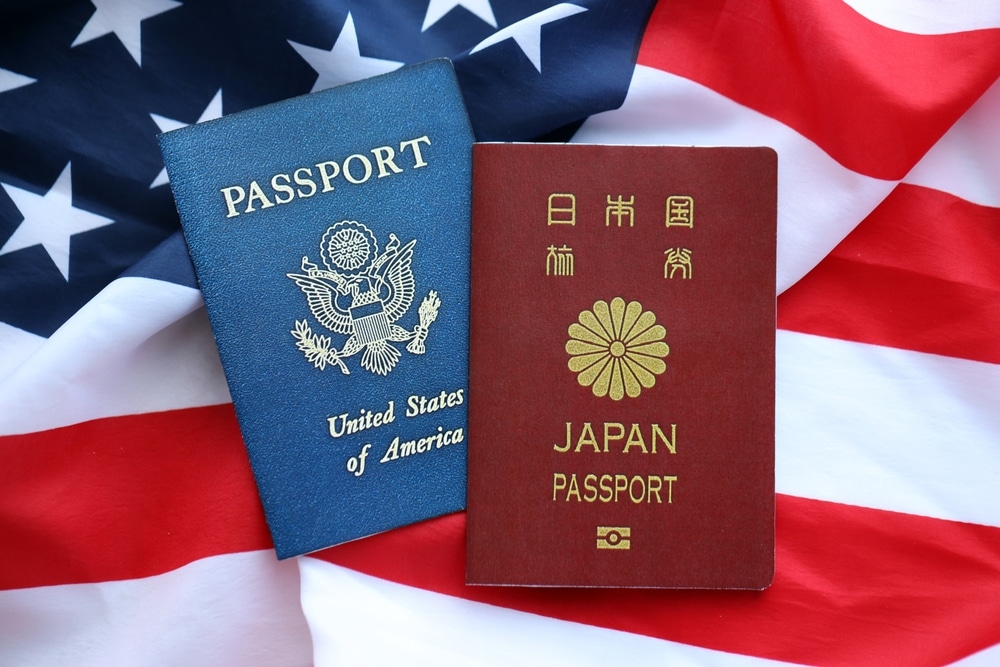
As of 2025, Japan has joined a growing list of Asian nations—including South Korea, the Philippines, India, Pakistan, and Sri Lanka—grappling with significant delays in obtaining US visas. These disruptions are predominantly due to an overwhelming immigration backlog and the implementation of stricter visa policies. With wait times surging to over two years in certain consular offices, individuals seeking to study, work, or reunite with family members face daunting challenges in securing timely approvals. This article delves into the factors contributing to these delays and their implications for those affected, shedding light on the broader issues within the US immigration framework.
Japan: An Emerging Challenge
Japan’s consular offices, particularly in Tokyo and Osaka, have witnessed dramatic increases in the wait times for US visa interviews, with some applicants now contending with delays extending up to two years. The accumulation of pending applications, coupled with complications within the US immigration court system, has placed tremendous pressure on Japan’s visa processing. Consequently, Japanese students aspiring to study overseas, professionals pursuing career opportunities, and families hoping to reconnect are facing considerable hurdles in securing their visas.
| City | Visa Issue | Impact |
|---|---|---|
| Tokyo | Extended wait times for visa interviews (up to 2 years) | Students, professionals, and families experiencing significant delays. |
| Osaka | Backup in consular services | Delays in visa approvals affecting travel, employment, and reunification efforts. |
| Nationwide | Increasing visa processing backlog | Applicants struggling with lengthy delays for interviews. |
South Korea: Stagnation and Uncertainty
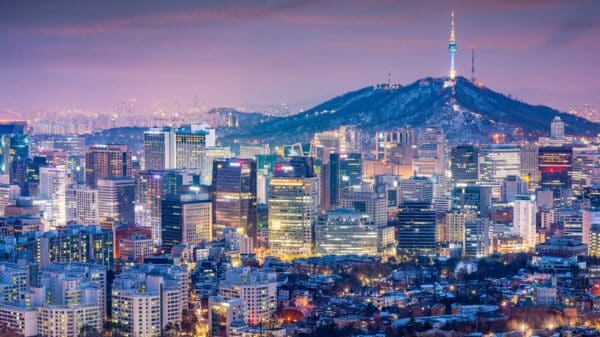
Similarly, South Korea faces its share of visa delays, with wait times for visa interviews reported at around 18 months at the US Embassy in Seoul. These protracted timelines are especially detrimental to students and professionals who require timely visa approvals to pursue educational and career opportunities in the US. The combination of rising visa fees and increasingly complex documentation requirements has added to the challenges faced by applicants, forcing many to reconsider their plans.
| City | Visa Issue | Impact |
|---|---|---|
| Seoul | Long wait times for visa interviews (up to 18 months) | Students and professionals unable to secure timely visas for education or employment. |
| Nationwide | Increased visa fees and documentation scrutiny | Applicants facing financial burden due to higher costs and complex requirements. |
China: Struggles with Delays
In China, disruptions in the visa processing system have intensified, especially in major cities like Beijing and Shanghai, where wait times for visa interviews exceed two years. This delay has left students, professionals, and families in a precarious position, particularly affecting those with educational deadlines. The growing backlog of applications, coupled with processing delays, has made it increasingly challenging for Chinese nationals to secure US visas.
| City | Visa Issue | Impact |
|---|---|---|
| Beijing | Prolonged wait times for visa interviews (over 2 years) | Students and professionals facing major delays in plans for travel and work. |
| Shanghai | Backlog in consular processing | Increased uncertainty for those relying on timely visa approvals. |
| Nationwide | Expanding visa processing backlog | Applicants struggling with lengthy waits for interviews. |
Philippines: A Lengthening Journey to the US
The Philippines has historically been a significant source of travelers to the United States; however, in 2025, its citizens are faced with severe delays in securing US visas. With wait times surpassing two years at some consular posts, those looking to visit family, seek job opportunities, or study in the US are experiencing increasing frustration. These delays disproportionately impact students whose educational timelines are in jeopardy.
| City | Visa Issue | Impact |
|---|---|---|
| Manila | Visa processing delays exceeding 2 years | Students experiencing delayed academic timelines; families unable to reunite. |
| Nationwide | Increased backlogs and delays | Applicants, particularly students, facing frustration and uncertainty. |
India: An Escalating Immigration Dilemma
India, a leading source of international students and skilled labor for the US, is contending with critical visa delays. The US Embassy in New Delhi, along with several consulates, reports unprecedented backlogs, particularly with wait times for student visa interviews now exceeding two years. This situation has left many Indian nationals in limbo as they endeavor to realize their aspirations for travel, education, or employment in the US.
| City | Visa Issue | Impact |
|---|---|---|
| New Delhi | Two-year wait for student visa interviews | Numerous students unable to start their educational journeys on time. |
| Mumbai | Unprecedented backlogs coupled with financial strain | Applicants postponing major life plans due to elevated visa costs. |
Pakistan: Grappling with Complicated Delays
In Pakistan, visa processing has also been adversely impacted by increasing backlogs. Applicants in major cities such as Islamabad and Karachi face significant hurdles, often unable to secure visa interview appointments for extended periods. These ongoing delays leave professionals, students, and families in uncertainty, obstructing their plans for travel, work, or family reunification.
| City | Visa Issue | Impact |
|---|---|---|
| Islamabad | Significant delays in scheduling visa interviews | Professionals, students, and families facing uncertain wait times. |
| Karachi | Backlog in consular services | Applicants finding it hard to progress with their plans for work or study. |
Sri Lanka: Caught in Visa Limbo
The situation in Sri Lanka is serious, as the US Embassy in Colombo has suspended routine visa services since August 2025. This suspension has left many applicants unable to advance their applications or schedule interviews. Students are among the most affected, with uncertainties jeopardizing their educational opportunities, leaving applicants frustrated in a lengthy waiting game.
| City | Visa Issue | Impact |
|---|---|---|
| Colombo | Suspension of routine visa services | Students and professionals unable to further their visa applications. |
| Nationwide | Inability to schedule visa interviews | Families and workers facing upheavals in travel and reunification plans. |
The Broader Picture: Other Affected Nations in Asia
Japan, South Korea, the Philippines, India, Pakistan, and Sri Lanka are not alone in facing significant visa processing delays in 2025. Countries such as Bangladesh, Nepal, and Thailand are similarly experiencing lengthy wait times for US visa appointments and processing. This troubling situation is fueled by an overwhelmed US immigration system struggling with limited resources and a continuously expanding backlog.
| Country | Visa Issue | Impact |
|---|---|---|
| Bangladesh | Delays in visa appointment scheduling | Applicants facing prolonged waits for securing US visas. |
| Nepal | Visa processing backlog | Many unable to schedule timely visa interviews. |
| Thailand | Lengthy processing delays due to consular backlog | Professionals, students, and families suffering from extended wait periods. |
Understanding the Delays
The US visa process is currently under immense strain due to a combination of factors. A large backlog of cases carried over from previous years, chronic staffing shortages at US consular offices worldwide, and stricter immigration policies have all contributed to longer wait times. The US government’s response to these challenges has been sluggish, leaving applicants in a state of uncertainty about when the situation will improve.
| Cause of Delays | Impact |
|---|---|
| Staffing shortages | Reduced capacity to process visa applications, extending wait times. |
| Backlog of previous cases | Heavy strain on consular services, exacerbating delays. |
| Stricter immigration policies | Increased complexity in application procedures, prolonging processing times. |
Implications for Applicants
For individuals across Asia, the prolonged delays in US visa processing are breeding uncertainty and financial stress. Students, workers, and families aspiring to travel to the US for educational, professional, or personal reasons are finding it increasingly challenging to plan their future. The escalated backlog and the implementation of new travel restrictions for specific countries further compound this frustration.
| Impacted Group | Impact |
|---|---|
| Students | Delayed educational plans, uncertainty surrounding future opportunities. |
| Workers | Job opportunities postponed, potentially impacting career trajectories. |
| Families | Delays in reuniting with loved ones, resulting in emotional strain. |
The Path Forward: Necessary Actions
The US government must take decisive action to alleviate the ongoing backlog in visa processing. This includes enhancing staffing at consular offices, simplifying the application process, and implementing measures that effectively reduce wait times for applicants. Until these changes are made, the uncertain landscape regarding US visas will continue to affect millions, particularly in Asian countries where delays are most pronounced.
Conclusion
The inclusion of Japan alongside South Korea, the Philippines, India, Pakistan, Sri Lanka, and other Asian nations facing substantial visa delays highlights the critical stress on the US immigration system. As backlogs grow and policies become stricter, travelers from these countries encounter significant obstacles, leaving many in uncertainty about their future. Immediate reform is essential to alleviate the burdens on applicants across these nations, enabling them to pursue their aspirations more effectively.