












When planning an international adventure, it’s vital to equip yourself with the right knowledge about the financial landscape of your destination. While many countries have embraced cashless transactions, several still operate on a cash-centric system. Being aware of these nations can help you avoid inconveniences during your travels.
Why Cash is Still King in Some Countries
In certain regions, cultural norms and infrastructure dictate a preference for cash. This might stem from a lack of reliable digital banking systems, or it may be a result of economic factors that make cash transactions more straightforward. It’s essential to understand that in these environments, credit and debit cards may be less frequently accepted, particularly for small transactions, street vendors, and local markets.
Countries with a Cash-Heavy Culture
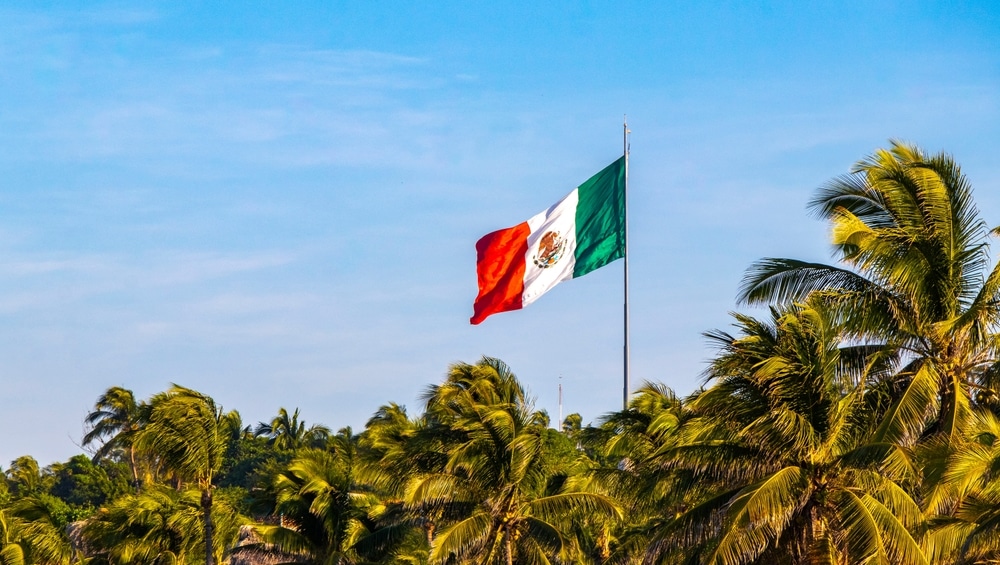
1. Mexico: While urban areas and tourist destinations may accept cards, many local businesses prefer cash. This is particularly true in smaller towns where banking infrastructure is limited.
2. Indonesia: In remote locations, especially on islands, cash is often the method of choice. The acceptance of cards can be inconsistent, especially in rural areas.
3. Vietnam: Despite a growing tourism sector, cash is still widely used. Local eateries and markets typically only accept cash, making it essential to have Vietnamese dong handy.
4. Egypt: Many small shops and street vendors operate on a cash-only basis. While major hotels and tourist attractions may take cards, it is wise to carry cash for everyday expenses.
5. India: Though digital payments are gaining traction, numerous establishments, especially in less urbanized areas, still prefer cash transactions. Having local currency can save you from the hassle of finding an ATM.
Benefits of Carrying Cash
Having cash on hand offers several advantages while traveling.
– Flexibility: It allows you to shop at local markets, dine at smaller eateries, and engage with vendors who do not accept cards.
– Avoiding Fees: ATM transactions often come with fees, both from your bank and the local ATM service. Using cash reduces these extra costs.
– Better Bargaining: Cash can enhance your negotiating power in markets where haggle culture is prevalent, as many sellers prefer cash payments.
Staying Safe While Handling Cash
Carrying cash comes with its own set of challenges, particularly regarding safety. Here are some tips to keep your money secure:
– Diversify Your Cash Supply: Don’t keep all your cash in one place. Splitting it between different pockets or bags reduces risk.
– Use Travel-Friendly Wallets: Consider wallets that offer RFID protection and are secure against pickpockets.
– Limit Withdrawals: Try to take out larger amounts at once to minimize the frequency of visits to ATMs.
Planning Your Cash Needs
Before traveling, assess how much cash you might need. Research the local cost of living and typical expenses. It’s useful to have a mix of smaller bills for daily purchases and larger ones for significant expenditures.
Some travelers find it beneficial to exchange money before arriving at their destination, while others prefer to use ATMs upon arrival to get better rates.
Conclusion
Understanding which countries still rely primarily on cash can greatly enhance your travel experience. By preparing adequately and being aware of the local customs regarding currency, you can navigate your trip with ease and confidence. Embracing the cash culture in these regions opens up a wealth of authentic experiences that enrich your journey. Happy travels!