

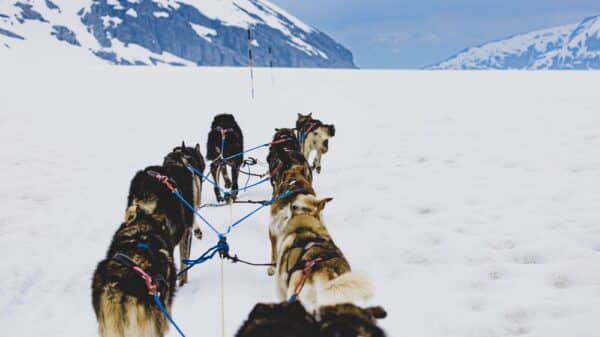








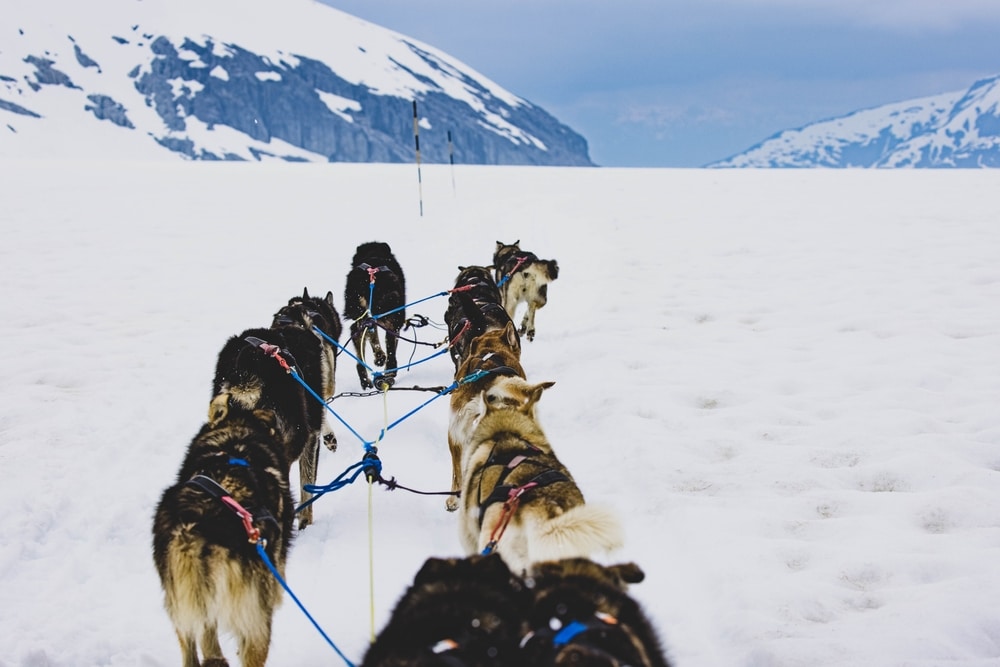
Sled dogs are a way of life in Alaska, from tourist attractions to banner races to the dogs’ most traditional function: transporting people and goods to remote parts of the state, simply because they’re the best available mode of transportation. In Denali National Park & Preserve, there are 30 working sled dogs, which rangers use to reach the park’s backcountry to patrol land use, transport park workers and scientific researchers, and haul equipment for park infrastructure projects.
But the dogs’ future is in doubt after the Trump Administration blocked $25 million in grants for partnership agreements across a variety of national parks. Included in the grant funding was an agreement that would have continued to fund three park staffers who provide day-to-day care for the park’s corps of sled dogs.
A former park superintendent told SF Gate the impacts of any reduction or curtailment in the park’s sled dog program—which is over a century old—could significantly impact park operations in the winter, when there are few other transportation options. Motorized vehicles are banned in much of the park, leaving skiing or sled dog journeys as the only options for park workers to reach portions of the park in the winter.
Sled dogs are ideal for Arctic and subarctic conditions because they sleep outside, even in the coldest weather, and can be fed from food stores that are readily available year-round and can be easily preserved and packed on a remote journey. Sled dogs have been specially bred for these traits for thousands of years. One of the major motivators for organizers of Alaska’s Iditarod sled dog race (and the sport of dog mushing in general) was the preservation of the sled dog as a breed at a time when they were quickly being replaced by motorized vehicles for overland journeys.
Organizers of kennel programs in Alaska observed that a funding shortfall—even if later reinstated by future administrations—could permanently impact the program. The Interior Department told The Washington Post that the cancelled agreements did not align with the administration’s priorities.
Interior spokesperson Aubrie Spady issued a statement to The Washington Post describing the groups that had their contracts cancelled as “actively working against the best interests of the American people and the priorities of this administration.”
“This decisive action is ensuring that these taxpayer dollars are being used in alignment with the administration’s objectives to make life more affordable for Americans, unleash domestic energy production and expand access to our public lands,” she said.
Other parks were also included in the round of cuts, including Yosemite, Zion, and Joshua Tree. At California’s Joshua Tree National Park, at least ten projects were blocked, including those for wildfire preparation, burned area restoration, and the removal of rodents that carry hantavirus from historic buildings. The cuts all came from outside contracts that allow the park service to acquire workers with specialized expertise, without directly adding to the federal payroll. Other projects that were cut include work to protect prehistoric Native American burial grounds in Iowa and preserve an endangered snake species in California.
At least 70 of the cancelled agreements were with the conservation nonprofit The Great Basin Institute. The group’s CEO told The Washington Post that they were not notified in advance of the cancellations and were given no further explanation about the decision.
The Park Service maintains a Puppy Cam funded by an independent non-profit to share footage fo the litter of new sled dog puppies that are born in the park each spring. This year, in honor of the country’s 250th anniversary, the theme of the litter was “America’s Best Idea”, a nod to the country’s National Parks. Each of the puppies, Sequoia, Mammoth, Rainier, Teton, and Mesa, were named for national parks. Four of this year’s litter will becoming working sled dogs in Denali National Park, and two of the puppies went on to partner mushing kennels to become sled dogs elsewhere in the north.