















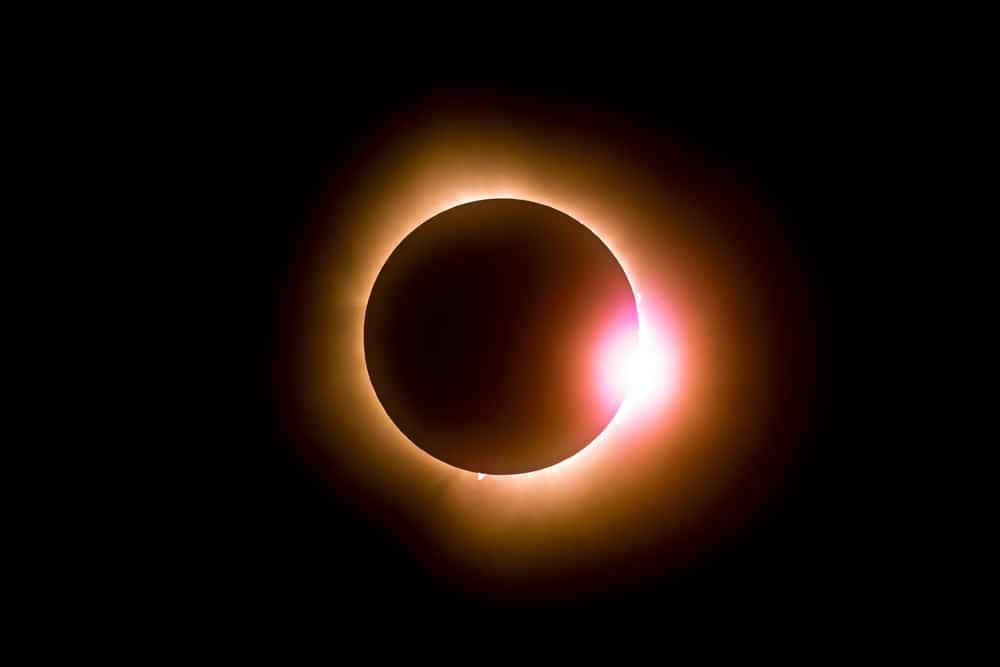
On August 12, skywatchers throughout the Northern Hemisphere will have the opportunity to witness a significant celestial event: a solar eclipse. This phenomenon occurs when the moon positions itself directly between the Earth and the sun, casting a shadow that either partially or completely obscures the sun’s light. While millions of people across North America and Europe will be able to observe this event, the experience will vary significantly depending on your geographical location.
Prime Locations for Viewing Totality and Partial Phases
For travelers seeking the most dramatic experience, the “path of totality” is where the moon will entirely cover the sun’s surface. This total solar eclipse will be visible from specific regions in Greenland, Iceland, and Spain. In these areas, the sky will darken completely for a brief period, revealing the sun’s outer atmosphere, or corona. Outside of this narrow path, observers in other parts of Europe and across North America will see a partial eclipse, where the moon appears to take a “bite” out of the sun.
Viewing Prospects for North American Travelers
In the United States and Canada, the eclipse will remain in its partial phase. For those in the U.S., Alaska offers some of the most substantial coverage. In Fairbanks, approximately 37% of the sun will be obscured around 8:27 a.m. Anchorage will see a slightly lower coverage at 27%. The most significant obstruction in the country will occur in Nome, where the moon will cover 42.85% of the sun. However, travelers should note that Nome is a remote destination and reaching it can be challenging. Regardless of your location, weather remains a deciding factor, as cloud cover can easily block the view of the event.
Essential Safety Protocols for Solar Observation
Protecting your vision is the most critical aspect of eclipse viewing. It is never safe to look directly at the sun without specialized solar filters, even during a partial eclipse. Standard sunglasses, regardless of how dark they are, do not provide adequate protection against harmful solar radiation. To view the event safely, you must use certified eclipse glasses or view the sun indirectly through a pinhole projector. For those using binoculars or telescopes, ensure they are equipped with professional-grade solar filters at the front of the lenses to prevent permanent eye damage.
Alternative Viewing Options and Additional Celestial Events
If you are unable to travel to the path of totality or find yourself under cloudy skies, technology provides an excellent alternative. NASA will offer a live telecast of the eclipse, allowing viewers worldwide to experience the event in real-time from any device. Furthermore, the astronomical excitement continues into the night. The night of August 12 and the early morning of August 13 coincide with the peak of a major meteor shower, offering a spectacular double feature for stargazers who remain outdoors after sunset.
Summary of the August 12 Celestial Display
The solar eclipse on August 12 serves as a reminder of the awe-inspiring nature of our solar system. Whether you are chasing totality in the Mediterranean or watching a partial transit from the landscapes of Alaska, proper preparation is key. By securing the right safety gear and having a backup plan for weather—such as NASA’s digital coverage—you can ensure a memorable experience. Don’t forget to stay out after dark to catch the meteor shower, making this a truly remarkable 24 hours for astronomy enthusiasts.