













Australia is increasingly positioning itself as a premier destination for those seeking immersive, rugged travel experiences. By highlighting the raw beauty of its northern reaches and the vastness of the interior, the continent is successfully attracting a new wave of adventure-focused international visitors. At the heart of this movement is Darwin, serving as a critical gateway to some of the world’s most untouched wilderness areas.
The Rising Appeal of Darwin as an Adventure Capital
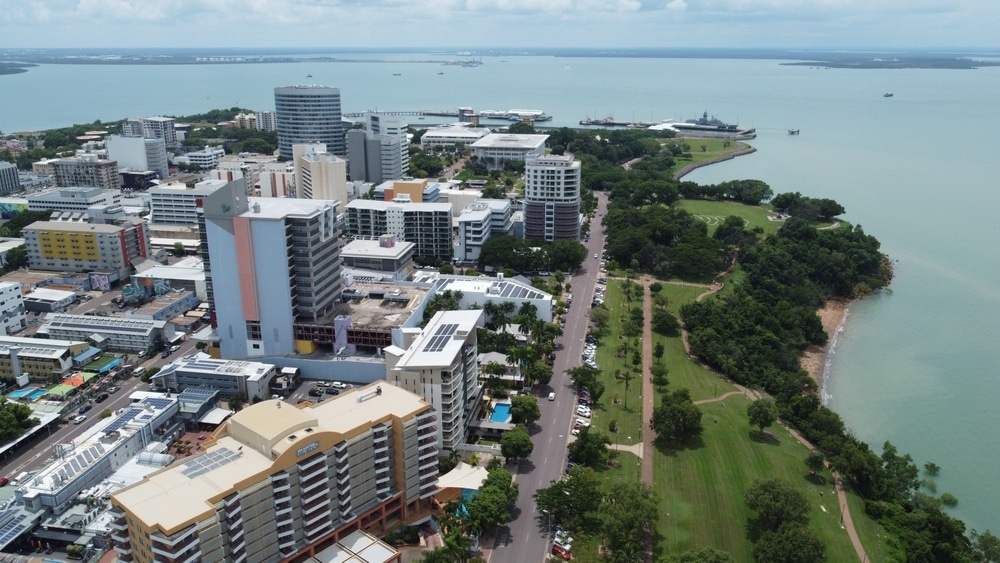
Darwin has long been known as a relaxed tropical city, but its proximity to extreme environments has turned it into a primary hub for wild travel. Unlike more traditional tourist centers, Darwin offers direct access to ancient landscapes where nature remains the dominant force. The city acts as a launching pad for expeditions into the surrounding wetlands and rugged escarpments, catering to travelers who prioritize authenticity and physical engagement with their environment.
As the demand for off-the-beaten-path tourism grows, Darwin’s infrastructure is evolving to support high-intensity exploration. This shift reflects a broader global trend where travelers are moving away from manicured resorts in favor of locations that offer a deeper, more visceral connection to the natural world.
Dominating the Remote Desert Travel Scene
Beyond the coastal fringes, the Australian desert continues to be a major draw for the intrepid explorer. The sheer scale of the Outback offers a level of isolation that is rare in the modern travel industry. These remote regions are no longer seen simply as barriers, but as destinations in their own right, where the challenge of navigation and the harshness of the climate are part of the attraction.
The dominance of desert travel in the Australian tourism sector is fueled by a desire for solitude and the pursuit of a landscape that feels unchanged by time. From the red sands of the Red Centre to the vast stretches of the Nullarbor, these environments provide a backdrop for specialized travel that emphasizes self-reliance and environmental appreciation.
Sustainable Interaction with Fragile Environments
A key component of Australia’s wild travel scene is the balance between accessibility and preservation. As more travelers head into remote deserts and tropical wilderness areas, there is a heightened focus on responsible exploration. Leading travel operators in these regions are emphasizing low-impact visitation to ensure that the very landscapes attracting visitors remain preserved for future generations.
For the modern adventurer, this means engaging with the land through guided tours that respect local heritage and ecological boundaries. This approach not only protects the environment but also adds value to the traveler’s experience by providing context and depth to the physical journey.
Conclusion: The Future of Australian Adventure Tourism
Australia’s focus on its remote and wild regions, particularly through hubs like Darwin, is reshaping how the continent is perceived on the global stage. By embracing the rugged nature of its deserts and northern territories, Australia is successfully appealing to a demographic that values adventure, solitude, and raw natural beauty. As this sector continues to grow, the emphasis will likely remain on providing high-value, authentic experiences that showcase the true spirit of the Australian wilderness.