















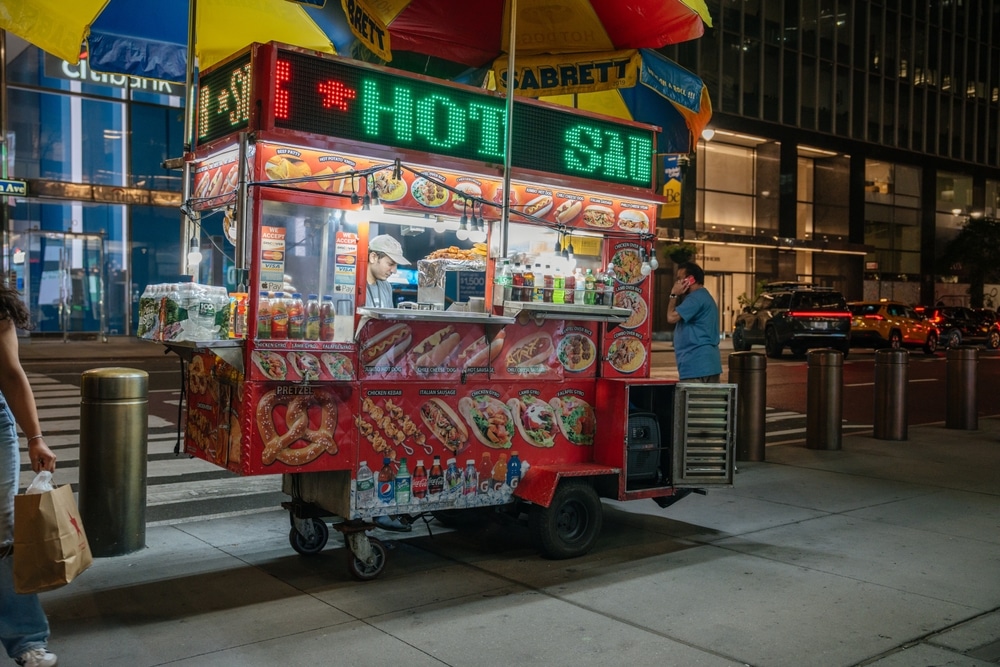
The hot dog is more than just a convenient snack; it is a culinary map of the United States. Across different states and cities, the humble frankfurter has been adapted to reflect local tastes, immigration patterns, and regional ingredients. From the bustling sidewalks of Manhattan to the sun-drenched valleys of Arizona, finding the “best” hot dog often depends on which zip code you are visiting. To truly understand this American staple, one must explore the distinct styles that define the nation’s diverse food scene.
The Windy City’s Signature “Dragged Through the Garden” Style
Chicago takes its hot dog traditions more seriously than perhaps any other city. The authentic Chicago-style dog is a study in specific layering and texture. It begins with an all-beef frankfurter, traditionally steamed, tucked into a poppy seed bun. From there, it is “dragged through the garden,” receiving a precise assembly of toppings: yellow mustard, bright neon-green sweet pickle relish, chopped white onions, tomato wedges, a dill pickle spear, sport peppers, and a final dusting of celery salt.
One rule remains absolute in the Windy City: ketchup is never allowed. The combination of the salt from the beef, the spice of the peppers, and the crunch of the vegetables creates a balanced profile that locals defend with fervor. This style is not just a meal; it is a piece of Chicago’s cultural identity.
The Classic New York City Pushcart Experience
In New York City, the hot dog experience is defined by simplicity and the rhythm of the street. Found on nearly every busy corner, the classic New York dog is typically a Sabrett’s all-beef frankfurter that has been kept warm in a hot water bath, leading to the nickname “dirty water dog.” Despite the unappealing moniker, these dogs are a beloved staple of the city’s fast-paced lifestyle.
The traditional toppings are straightforward: spicy brown mustard and either sauerkraut or a unique red onion sauce. This onion sauce—a sweet and tangy concoction of onions, tomato paste, and spices—is what gives the New York dog its signature flavor profile. It is a no-frills, high-flavor snack designed to be eaten on the move.
The Savory Complexity of the Sonoran Dog
Travel toward the Southwest, particularly in Tucson and Phoenix, and the hot dog undergoes a dramatic transformation. The Sonoran dog represents a beautiful fusion of Mexican and American flavors. Here, the frankfurter is wrapped in bacon and grilled until crispy, then nestled inside a bolillo-style roll—a soft, boat-shaped bun that is sturdy enough to hold a mountain of toppings.
A standard Sonoran dog is loaded with pinto beans, chopped onions, tomatoes, jalapeño salsa, mustard, and a generous drizzle of mayonnaise. The result is a rich, savory, and slightly spicy meal that stands in stark contrast to the lighter, vegetable-heavy styles found in the Midwest.
Michigan’s Legendary Coney Island Culture
Despite the name, the “Coney Island” hot dog as a culinary phenomenon is most deeply rooted in Michigan, specifically Detroit and Flint. This style features a natural-casing beef frankfurter served in a soft, steamed bun. The defining characteristic is the chili sauce, which is a beanless, savory meat gravy often seasoned with Greek-inspired spices like cumin and cinnamon, reflecting the heritage of the immigrants who popularized the dish.
A “Coney with everything” includes a thick layer of this meat sauce, topped with a stripe of yellow mustard and a heavy sprinkle of finely chopped white onions. The snap of the natural casing against the softness of the bun and the richness of the chili makes it a quintessential comfort food for the Great Lakes region.
The Vibrant Red Snappers of New England
In Maine and parts of New Hampshire, the hot dog takes on a literal glow. Known as “Red Snappers,” these franks are famous for their bright, neon-red synthetic casings. The color is purely aesthetic, but the “snap” is functional; the natural casing provides a distinct resistance when bitten, which is a hallmark of a high-quality New England frankfurter.
These are often served at backyard cookouts or local roadside stands, typically nestled in a New England-style split-top bun. These buns are buttered and toasted on the sides, providing a warm, crunchy contrast to the chilled condiments or simple mustard usually applied to the red snapper.
Southern Slaw Dogs and West Virginia Tradition
Throughout the American South and West Virginia, the hot dog is frequently topped with a creamy, cooling element: coleslaw. The West Virginia-style dog is a specific local treasure, consisting of a frankfurter topped with a spicy meat chili (referred to locally as “sauce”), yellow mustard, chopped onions, and a generous mound of sweet, finely chopped slaw.
The contrast between the warm, spicy chili and the cold, crisp cabbage creates a unique sensory experience. While variations of the slaw dog exist throughout the Carolinas and Georgia, the specific balance of the West Virginia version remains a point of regional pride and a must-try for any traveling food enthusiast.
A Final Look at America’s Hot Dog Landscape
The diversity of the American hot dog proves that even the simplest foods can become a canvas for regional creativity. Whether you prefer the garden-fresh crunch of a Chicago dog, the spicy kick of a Sonoran wrap, or the snap of a Maine Red Snapper, these variations offer a window into the history and flavors of their respective homes. Exploring these iconic styles provides more than just a great meal; it offers a taste of the local traditions that make American roadside cuisine so enduringly popular.