





A Notable Shift in the Pace of Waikīkī
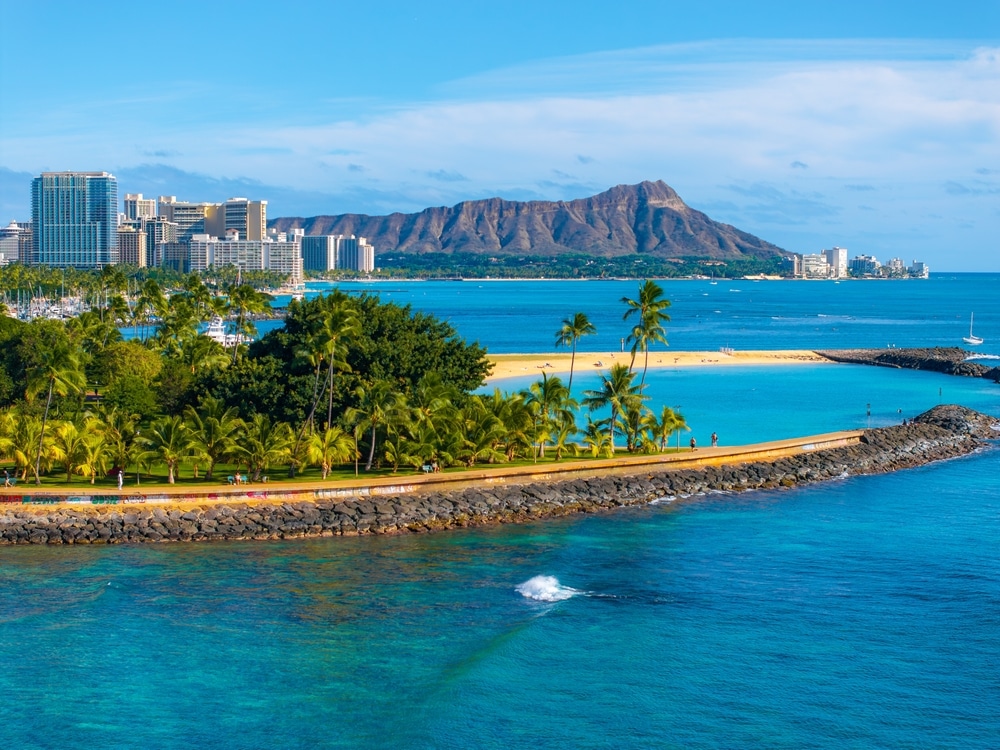
Recent observations of Waikīkī reveal a destination that has become unexpectedly tranquil. During the spring season, the typical hustle and bustle of the Kalākaua retail corridor appeared significantly muted. Gone were the long queues at luxury boutiques like Louis Vuitton and the dense crowds searching for local souvenirs. While major weekend events still draw local interest to iconic spots such as Halekulani’s House Without a Key, the overall daily energy of the district has shifted from a frantic urban center to a more relaxed resort atmosphere.
The Economic Impact of Currency Fluctuations
The primary driver behind this newfound quietude is the economic disparity caused by a weak Japanese yen. Travelers from Japan are finding that a Hawaiian vacation now costs between 40% and 50% more than it did in 2019. While domestic tourism from the U.S. mainland has seen a robust recovery, international visitation from Japan remains at approximately half of its pre-pandemic peak. This demographic shift is fundamentally changing the visitor profile of Honolulu’s most famous beach destination.
Evolving Retail Trends and Major Business Closures
The decline in international visitors has forced several established businesses to reconsider their presence in the islands. DFS Group, a staple of the luxury duty-free market, announced the shuttering of its Hawai‘i operations. This includes the closure of the historic Honolulu airport shop, which stood as the oldest duty-free outlet in the United States since its opening in 1962. The spending power of the Japanese market has also transformed; a decade ago, these visitors represented the highest-spending segment in the region, but current data shows a 13% decrease in per capita spending from this group, while domestic U.S. spending has risen to meet those former levels.
New Travel Behaviors and Affordable Alternatives
Visitors who continue to make the trip from Japan are adopting more conservative spending habits to combat the high costs. Many are choosing low-cost activities like spending days at the beach or preparing their own meals rather than dining out. Furthermore, many potential travelers are opting for domestic trips within Japan or visiting more affordable destinations like South Korea instead of traveling to the Central Pacific. This shift has resulted in a much more navigable Waikīkī for those who are currently in town.
Cultural Reimagining of Vacant Spaces
In response to the changing retail landscape, some empty storefronts are being repurposed for cultural and artistic endeavors. A space formerly occupied by a national clothing brand has been transformed into “In The Southern Sun,” an immersive art installation. Created largely by Native Hawaiian artists, the project focuses on the ancestral history and cultural significance of the land, providing a deeper, more educational experience for passersby compared to traditional retail shops.
Unprecedented Access to Local Favorites
For the modern traveler, the current environment offers a rare opportunity to enjoy Waikīkī’s best offerings without the typical wait times. Popular spots like Liliha Bakery at the International Marketplace and the various hotel bars throughout the Marriott Waikīkī Collection are currently far more accessible. Travelers can move through popular experiences, such as the “Mai Tai Express” tour of hotel bars or a visit to the Halekulani Bakery, with ease and speed that was rarely possible in years past.
Strategic Renovations and Hospitality Updates
Despite the dip in international arrivals, the hospitality sector is using this period to refresh its offerings. Kyo-Ya Hotels & Resorts, which owns several key properties, continues to invest in the visitor experience. Recent updates include a residential-style renovation of the Surfrider Wing at the Moana Surfrider, A Westin Resort & Spa. Additionally, new dining venues like Hinahina Waikīkī at the Sheraton Waikīkī are set to replace older concepts, ensuring the infrastructure is ready for future shifts in tourism.
Summary of the Current Waikīkī Experience
The current state of Waikīkī represents a significant transition for Hawaii’s tourism industry. While the loss of the vital Japanese market has led to the end of several long-standing businesses, it has also created a more “languid” and peaceful environment for those who visit today. For travelers who prefer a quieter, more relaxed resort experience over a high-energy city vibe, this era of Waikīkī offers a unique and surprisingly pleasant alternative to the traditional crowds.