















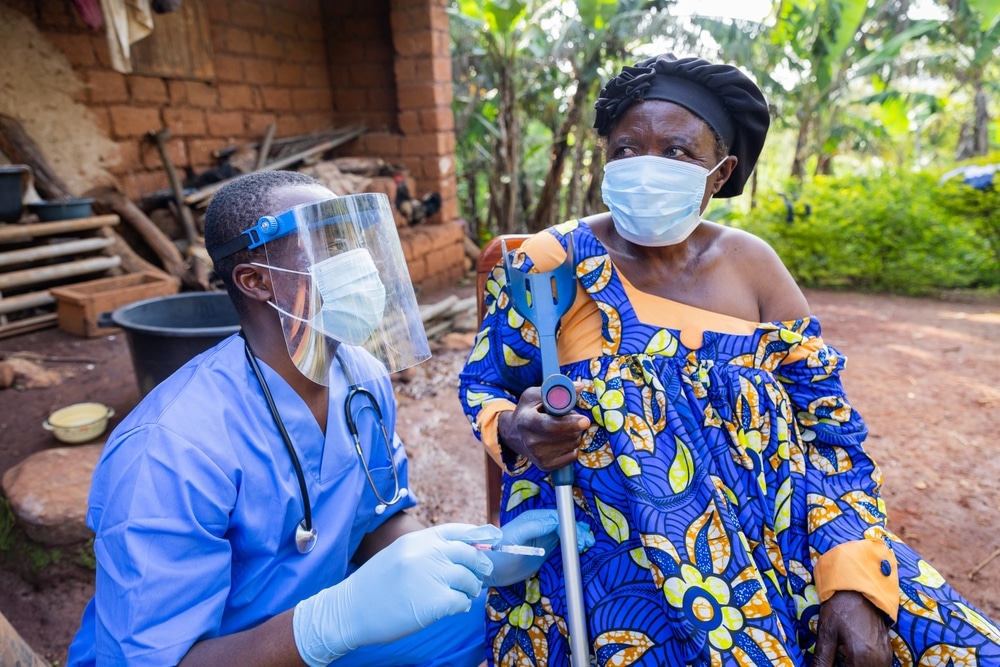
A significant health crisis is unfolding in Central Africa, where a recent Ebola outbreak in the Democratic Republic of the Congo (DRC) and Uganda has resulted in more than 130 fatalities. The situation gained further urgency this week following the confirmed infection of an American citizen working in the region. To protect domestic health security, the United States has introduced stringent travel limitations, including entry bans for certain non-U.S. travelers and intensified screening procedures at ports of entry.
Global Response and the Current Situation in Africa
The World Health Organization (WHO) has officially classified the current spread of the Bundibugyo virus as a public health emergency of international concern. While health officials clarify that the situation does not currently meet the definition of a pandemic, the risks remain high. The Bundibugyo virus is a specific strain of Ebola for which there is currently no preventative vaccine, and it carries a fatality rate between 25% and 40%.
The human impact of the virus was highlighted on May 18 when the Centers for Disease Control and Prevention (CDC) confirmed that an American physician, Dr. Peter Stafford, tested positive while working in the DRC. Dr. Stafford, who was serving with the international charity Serge, is being transported to Germany for specialized medical treatment. His family and six other Americans who may have had contact with the virus are also being moved to Germany for observation.
To mitigate the risk of the virus reaching U.S. soil, the State Department has implemented several emergency measures. Travel advisories have been issued against visiting Uganda and the DRC, and visa services have been suspended at U.S. embassies in those countries, as well as in Sudan. Additionally, any non-U.S. passport holders who have been in these three nations within the last 21 days are currently prohibited from entering the United States. These protocols, which include enhanced coordination with airlines and international health partners, are expected to be active for at least 30 days.
Recognizing Ebola Symptoms and Understanding the Virus
Ebola is a severe illness caused by a specific group of viruses, with symptoms typically appearing anywhere from 2 to 21 days after exposure. The disease often begins with non-specific symptoms such as fever, body aches, and general exhaustion, which can be easily mistaken for other common tropical infections. As the illness advances, patients may experience more severe complications, including gastrointestinal issues and internal or external bleeding.
While an FDA-approved vaccine exists for the Orthoebolavirus zairense strain, it does not provide protection against the Bundibugyo virus currently circulating. Treatment primarily focuses on supportive care, such as managing pain and maintaining hydration. Data shows that seeking medical intervention early in the course of the illness significantly increases the likelihood of recovery.
This is the 17th recorded Ebola outbreak in the DRC, following a previous event that ended in late 2025. Health experts suggest that the virus may have spread undetected for several weeks because of ongoing civil unrest and displacement in the region, which have placed immense pressure on local healthcare systems. Currently, there are more than 500 suspected cases, and the virus has tragically claimed the lives of several healthcare workers on the front lines.
Summary of Safety Measures and Traveler Guidance
Despite the severity of the outbreak in Central Africa, the CDC currently assesses the risk to the general public in the United States as low. This assessment is subject to change as the situation evolves and new data becomes available. For those who have recently traveled through the affected regions, it is essential to monitor official health advisories and seek immediate medical attention if any potential symptoms of the virus manifest. Staying informed and adhering to official travel guidelines remain the most effective ways to manage personal risk during this health emergency.