














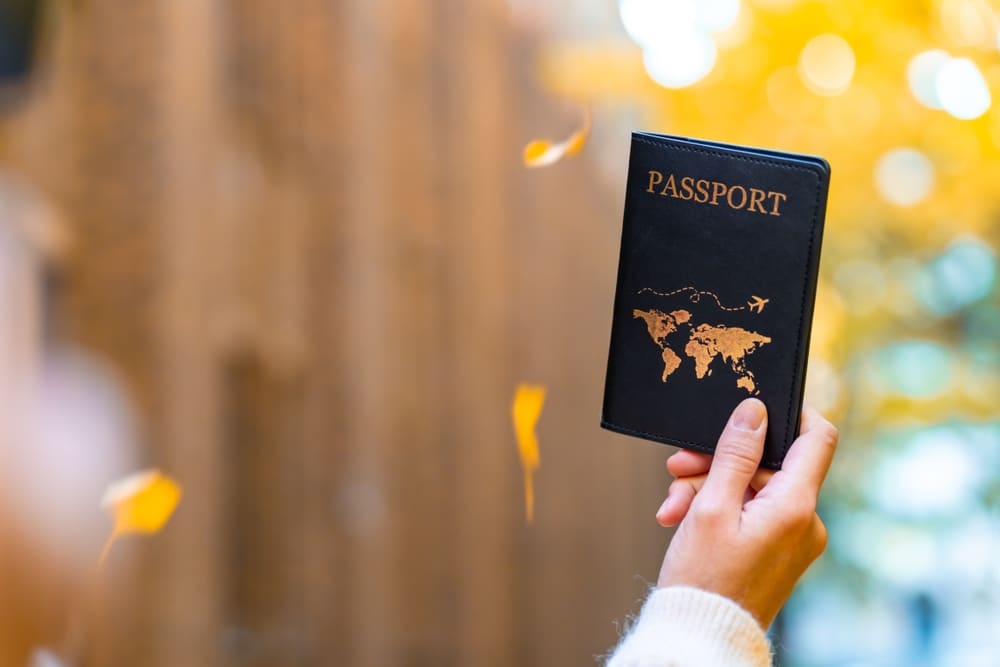
While physical passport stamps are increasingly being replaced by digital tracking systems, many travelers still view these ink marks as cherished souvenirs of their global adventures. However, the U.S. State Department has issued a cautionary note for American citizens: adding unofficial or “novelty” stamps to your passport could lead to significant travel headaches. While some customs officers might overlook these additions, others may view an unofficial mark as a reason to deem the document invalid, potentially leading to denied entry or lengthy delays at international borders.
The Legal Status of Your Travel Document
A passport is more than just a personal travel diary; it is a formal government document. The introductory pages of a U.S. passport contain specific guidelines regarding its care and use. Specifically, page five notes that only authorized consular or immigration officials are permitted to place stamps or notations within the book. Because border agents look for specific security features and official markings, any unauthorized ink can be flagged as potential fraud. While a souvenir stamp does not technically “invalidate” the passport—a power reserved solely for the State Department—it creates enough suspicion to cause a traveler to be detained for extra questioning or refused entry by foreign authorities.
Common Sources of Souvenir Passport Stamps
The temptation to collect these stamps is widespread, often fueled by famous landmarks and remote islands. Machu Picchu is well-known for offering visitors a commemorative stamp, sometimes even tied to local scams or mandatory purchases. Similarly, the Cook Islands offer a popular novelty stamp at One Foot Island in the Aitutaki lagoon. Because this is not an official port of entry (the main international hub is in Rarotonga), the stamp holds no legal value. In regions like French Polynesia, travelers have even been seen mistakenly adding airline-branded stamps from ticket counters to their passports—a move that is almost certain to raise red flags with customs officials given the corporate logos involved.
Navigating Official Stamps in Non-Traditional Settings
It is important to distinguish between a “novelty” stamp and an official one obtained outside a standard airport booth. For example, the Principality of Monaco does not have a hard border with France, but travelers can obtain a legitimate, official stamp by visiting the town hall in Monte Carlo. Conversely, the Monaco tourism office now offers souvenir booklets for those who want a memento without risking their passport’s integrity. In Belize City, cruise passengers who do not pass through standard customs can still find an official border officer at the port to provide a legal stamp upon request. Additionally, on many river cruises, staff may collect passports to handle official processing with local authorities, resulting in legitimate stamps being added while the traveler is still on board.
Variable Enforcement at International Borders
The risk of carrying a novelty stamp often depends on your destination. In the European Union, where many border crossings are now automated or digital, an extra stamp might go unnoticed. However, in countries that still rely on manual inspections and rigorous physical document verification—such as Zimbabwe—a souvenir stamp from Antarctica or a famous landmark could lead to intense scrutiny. Border policies are often fluid, and what one agent ignores, another may use as grounds for rejecting a document.
Protecting Your Passport While Collecting Memories
To avoid the risk of being turned away at a border, travelers should find alternative ways to document their journeys. If you are determined to collect souvenir stamps, consider carrying a separate travel journal or an old, expired passport specifically for that purpose. This allows you to preserve your travel history without compromising the validity of your current, official identification. Maintaining a clean, authorized passport ensures that your focus remains on your destination rather than on navigating avoidable legal complications at the border.