















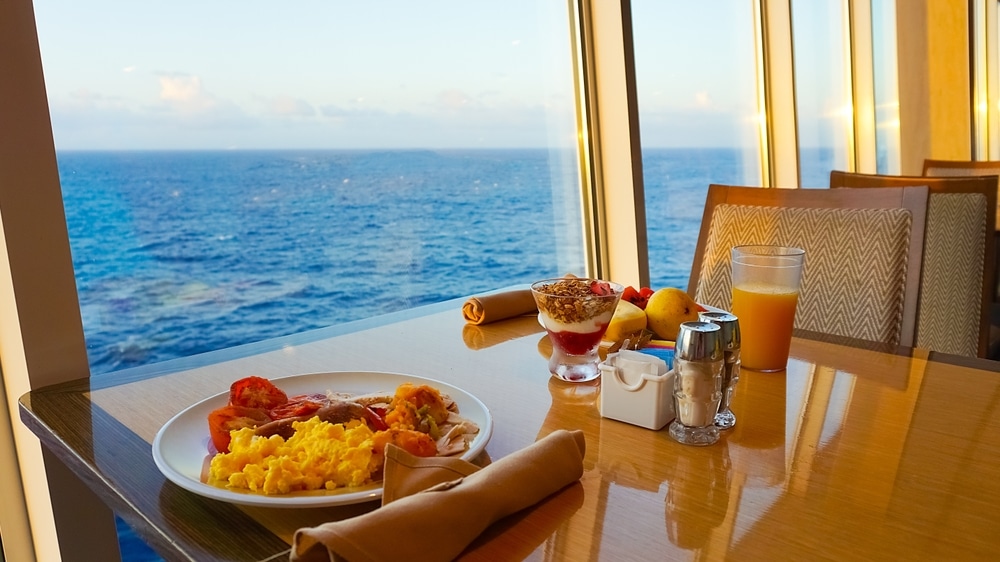
One major cruise line has begun implementing financial penalties for passengers who remove food from designated dining areas. Costa Cruises recently notified travelers that taking meals from the ship’s buffet and restaurants to other locations—including staterooms, pool decks, and public lounges—is strictly prohibited for health and safety reasons.
New Onboard Penalties for Removing Food
According to documents shared by passengers, Costa Cruises has established a fine of €60 (approximately $70) for every violation of this policy. The company emphasizes that the restriction is a matter of hygiene and sanitation. The cruise line maintains that food service should be confined to controlled environments to ensure the ship remains clean and free of potential health hazards.
In a formal communication, the company clarified that this specific measure is not currently a permanent, fleet-wide policy change. Instead, it has been deployed on a limited number of sailings as a deterrent to encourage “responsible behavior” among guests. By implementing these fines, the line aims to prevent the accumulation of leftover food and dirty dishes in unauthorized areas of the vessel.
Sanitation Standards and Professional Service
Costa Cruises justifies the restriction by highlighting the specific training of their crew. The company notes that only room service staff are properly instructed on how to transport and deliver food throughout the ship while adhering to strict sanitation and hygiene protocols. By centralizing food movement through staff, the line hopes to mitigate the risks associated with improper food storage and disposal in passenger cabins and public corridors.
Diverse Reactions from the Cruising Community
The introduction of these fines has sparked a significant debate among veteran travelers. Many frequent cruisers have long complained about the unsightly presence of discarded plates and food scraps in hallways and near elevators, welcoming the new policy as a way to maintain the ship’s aesthetic and cleanliness. They argue that abandoned food can lead to pest issues and unpleasant odors in the confined spaces of a cruise ship.
However, some passengers have voiced concerns over the lack of flexibility. Critics of the policy point out that buffet seating can often be overcrowded, and some guests prefer the privacy and quiet of their own balconies or cabins. Others noted that since Costa’s buffets do not operate 24 hours a day, guests in standard staterooms may feel forced to pay for room service if they want to eat outside of scheduled dining times, as room service often carries an additional fee.
Current Fleet Status and Contract Terms
Headquartered in Genoa, Italy, Costa Cruises is a subsidiary of Carnival Corporation and is known for its Italian-themed voyages in the Mediterranean, Caribbean, and Africa. At present, the line operates nine vessels, though the Costa Fortuna is expected to exit the fleet in late 2024. While the €60 fine has been reported on specific sailings, the official passage contract for the line primarily focuses on prohibiting food brought from the shore and does not yet include detailed language regarding the removal of shipboard food from dining halls.
A Growing Trend of Stricter Onboard Guidelines
This move by Costa Cruises follows a broader trend of cruise lines clarifying and enforcing rules to manage passenger behavior and safety. For instance, Royal Caribbean and Carnival Cruises have recently issued detailed guidelines regarding cabin door decorations to ensure they do not interfere with safety equipment like peepholes or pose fire hazards. Carnival also specifically banned certain symbols, such as upside-down pineapples, to prevent social misunderstandings between guests. These shifting policies reflect a growing effort by the industry to balance passenger freedom with the operational and safety requirements of modern mega-ships.
Summary of the New Dining Policy
In summary, the introduction of fines for removing food from dining areas marks a significant shift in how cruise lines manage onboard hygiene. While currently limited to select Costa Cruises sailings, the policy addresses long-standing complaints regarding shipboard cleanliness while simultaneously raising questions about passenger convenience and the cost of room service. As cruise lines continue to refine their health and safety protocols, travelers may see more stringent enforcement of similar rules across the industry to ensure a consistent and sanitary experience for all guests.