














We’ve all experienced it: the end of a hotel stay arrives, and you find yourself scrambling to hit the road—perhaps hurrying to a critical meeting on a business trip, or rushing to catch a flight with minimal time to spare.
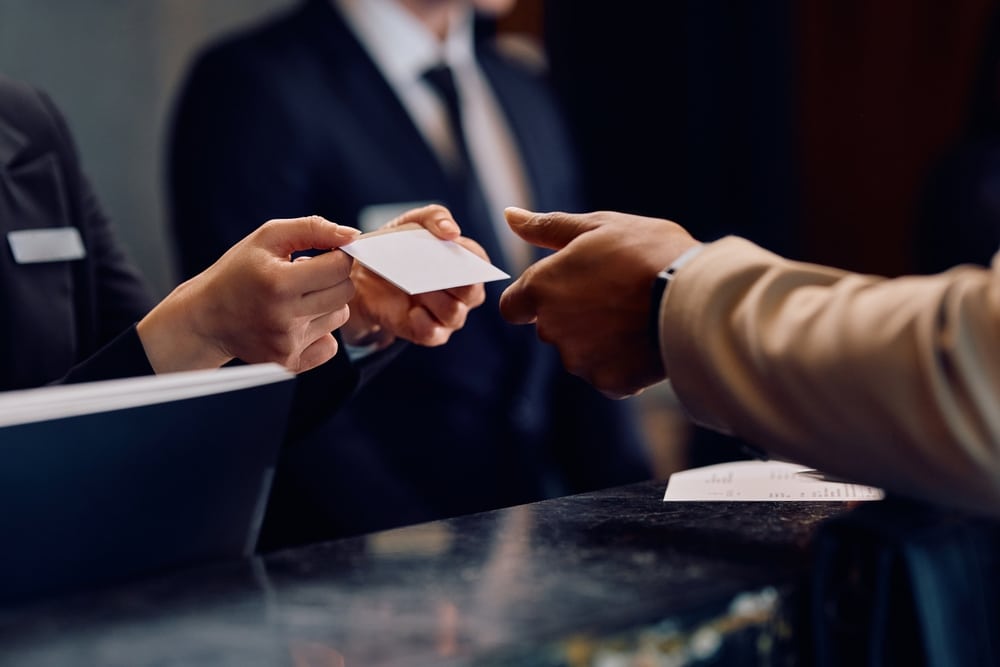
A persistent question has arisen in North American hospitality circles, particularly in online travel discussions: Is it essential to formally check out of your hotel? Does it really require a trip to the front desk to return your key, obtain a copy of your bill, and ensure the staff knows you’re departing?
Consider the circumstances where the front desk might not be staffed 24/7. Or maybe you’re feeling a bit sheepish about overstaying past the hotel’s check-out time, worried they’ll notice those extra 37 minutes spent packing.
In years past, skipping the formal check-out process could be seen as a breach of etiquette, but modern realities have shifted this landscape, especially following the COVID-19 pandemic. Hotels have significantly invested in contactless technologies, which, while undoubtedly time-saving, might detract from the essence of travel.
To dive deeper into this topic, we consulted a dozen industry experts pooling insights from hotel general managers to tech company leaders. Their perspectives illuminate the ongoing evolution of hotel check-out processes and the future expectations within this sphere.
The Rise of Touchless Technology
With advancements in technology, staying at many U.S. hotels now allows guests to navigate their experience without any human interaction if they choose. For instance, Mews, a hospitality operating system, manages over 15,000 properties globally, utilizing virtual concierge software to streamline guest experiences.
Mews creates a digital folio summarizing all charges, from parking fees to spa services, and promptly alerts housekeeping once a guest has checked out. This efficiency benefits all parties involved, ensuring rooms are readied for incoming guests.
Similarly, TMC Hospitality sends text notifications to guests to allow for a seamless departure, while AvantStay highlights the ease of managing everything from check-in to late check-out through SMS or mobile applications.
“Just think about it: ordering food, booking a ride, checking in for flights—all done via your smartphone. Why should hotels be any different?” asked Mike Coscetta, President of Mews. While luxury hotels may still prefer an in-person check-out to gather feedback or bond with guests, these interactions should be about enhancing experience rather than being a technological hurdle.
Digital Convenience Meets Traditional Values
Traveler preferences often reflect generational attitudes and personal habits. Research from Mews reveals that 70% of travelers favor self-service check-out rather than dealing with the front desk—this number rises to 80% among Gen Z.
At Holiday Inn Express & Suites Union Gap, General Manager Marissa Contreras notes that while only about 10% of leisure guests formally check out, this percentage increases to 40% for corporate travelers seeking itemized receipts for expense reports.
In contrast, Felix Schlokat, General Manager of Hilton Cancun, observed that leisure guests might benefit more from a formal check-out at an all-inclusive resort. This allows them to return all-inclusive bracelets and finalize transportation arrangements directly, enhancing their experience before leaving.
“Despite the fast-paced world we inhabit, the importance of personal interaction remains significant, especially for guests who cherish a tailored experience,” remarked Schlokat. Higher-end hotels still aim to preserve meaningful in-person connections with guests to garner valuable feedback.
“Those last interactions can create lasting impressions for both guests and our team,” explained Tessa Peterson, General Manager of The Allison Inn & Spa in Newberg, Oregon. In their quaint setting, almost 80% of guests prefer the traditional check-out experience.
John Hamilton, General Manager of Casia Inn in Sonoma, echoed this sentiment, noting the intimate environment invites guests to share their thoughts and say goodbye before departing.
Fostering Considerations for Fellow Guests
Hamilton emphasizes the importance of maintaining a personalized hospitality approach, often pre-assigning rooms based on guest preferences and adding special touches for celebrations. “We want our guests to feel expected and valued,” he stated. Notifying the front desk of departure times is not just polite; it also helps staff prepare for incoming guests in a thoughtful manner.
Thomas Caska, Complex General Manager at Casa Marina Key West, exemplifies this by prioritizing wedding guests for early check-ins crucial for special events, a task made more challenging without formal check-outs to indicate when rooms will become available.
The Future of Hotel Interactions
Checking out in person can significantly improve the overall guest experience. The team can read body language and tone to address any concerns effectively. I recently experienced this firsthand when a misunderstanding regarding valet charges was resolved quickly during my check-out.
Some hospitality professionals reveal that their experiences influence how they approach check-out during their travels, often avoiding peak times to minimize stress. Others strive for authentic human connections through thoughtful feedback.
Maintaining Human Touch in Hospitality
All experts consulted agreed that the process should prioritize providing the best experience for guests. Moreover, the regular notification of impending departures strengthens the fundamental essence of hospitality: the connection between guest and host.
While many hospitality professionals acknowledge that formal in-person check-out isn’t strictly necessary, they consistently highlight its benefits: smoother operations and enhanced experiences for the next guest. This small yet meaningful interaction can significantly uplift a guest’s departure, rounding off their stay positively.
As technology continues to advance, the need for in-person check-outs may wane. Nonetheless, the call for basic human interaction in hospitality remains paramount, resonating with the belief that “the warmth of hospitality comes from people.”