












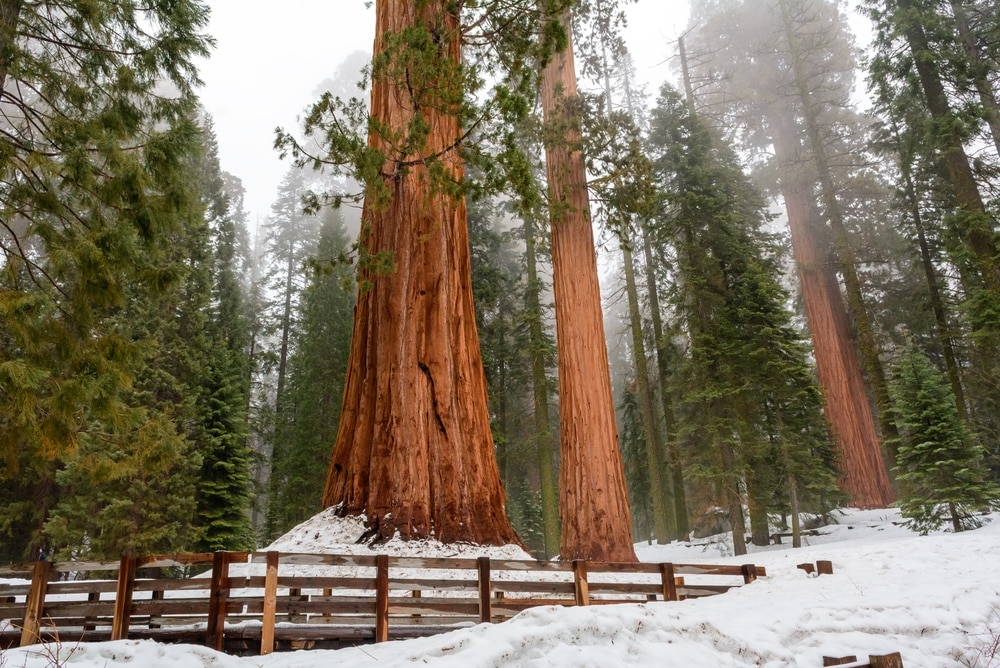
The U.S. National Park Service is currently navigating one of the most challenging eras in its storied history. While these protected landscapes are celebrated as “America’s Best Idea,” the reality on the ground is a complex struggle between record-breaking popularity and the physical limitations of the land and its infrastructure. For those who value the preservation of these natural wonders, understanding the multifaceted pressures facing the parks is the first step toward meaningful conservation.
Understanding the Current Pressures on Protected Wilderness
The sentiment that times are tough for our national parks is not an exaggeration; it is a reflection of a system stretched to its limits. The primary conflict lies in the dual mission of the National Park Service: to conserve the scenery and wildlife while providing for the enjoyment of the public. As more people seek refuge in nature, the scale of this mission has grown exponentially, often outpacing the resources available to manage it effectively. From staffing shortages to the degradation of sensitive habitats, the “tough times” manifest in various operational hurdles that affect both the visitor experience and the health of the ecosystem.
The Infrastructure Gap and Funding Shortfalls
One of the most pressing issues facing the parks is a massive deferred maintenance backlog. Decades of underfunding have led to a situation where roads, bridges, visitor centers, and trail systems are in desperate need of repair. When infrastructure fails, it is not just a matter of convenience; it becomes a safety concern and a barrier to accessibility. While recent legislative efforts have begun to address some of these financial gaps, the sheer volume of aging assets means that many parks are still playing a game of catch-up. This “maintenance debt” hampers the ability of park rangers to focus on their primary roles of education and conservation, as more time is diverted to emergency repairs.
Managing Overtourism in Fragile Ecosystems
Popularity is a double-edged sword for the park system. On one hand, high visitation demonstrates a public commitment to public lands; on the other, overtourism creates significant logistical and environmental strain. Many of the most iconic parks now face traffic congestion similar to major urban centers, with parking lots filling up before dawn and trails becoming overcrowded. This influx of visitors can lead to soil erosion, the disturbance of local wildlife, and the destruction of native vegetation. To combat this, many parks have been forced to implement reservation systems and timed entry permits. While these measures are necessary to protect the landscape, they represent a significant shift in how people access these supposedly open spaces.
Preserving Biodiversity Amidst Environmental Shifts
The challenges facing national parks are not limited to human impact. Changing environmental patterns are fundamentally altering the landscapes the system was designed to protect. We are seeing more frequent and intense wildfires, prolonged droughts, and shifting migratory patterns for wildlife. These changes require the National Park Service to adopt more adaptive and scientific management strategies. Protecting biodiversity in a changing world means moving beyond simple preservation and toward active restoration and resilience-building, a task that requires specialized expertise and consistent long-term funding.
Sustainable Travel: A Path Forward for Our National Parks
In conclusion, while the national park system is currently under significant duress, the situation is not without hope. The “tough times” serve as a call to action for travelers and advocates alike to rethink their relationship with these lands. Embracing sustainable travel practices—such as visiting during the off-season, exploring lesser-known parks, and strictly adhering to “Leave No Trace” principles—can help alleviate the pressure on the most popular sites. Supporting the parks through volunteerism and advocacy ensures that these vital natural resources remain intact. By acknowledging the difficulties the system faces today, we can better contribute to a future where these landscapes are preserved for generations to come.