







Many travelers set out on vacation to escape the pressures of daily life, only to find themselves stuck in the same gridlock and noise they left behind. Whether it is the sound of sirens near a hotel or the struggle to find parking at a popular beach, the presence of vehicles can easily disrupt a tropical atmosphere. In today’s fast-paced world, the ultimate luxury is arriving at a destination where private cars simply do not exist.
A few unique tropical destinations have intentionally banned motorized tourist vehicles to safeguard their natural environments and preserve a quiet, authentic way of life. On these islands, the rhythm is dictated by the turn of a bicycle pedal or a stroll along a sandy path. This lack of traffic doesn’t just reduce noise; it fundamentally shifts the energy of a trip, encouraging visitors to embrace a slower pace. If you are looking for a peaceful winter retreat, these three car-free islands offer a true sanctuary.
The “Go Slow” Philosophy of Caye Caulker, Belize
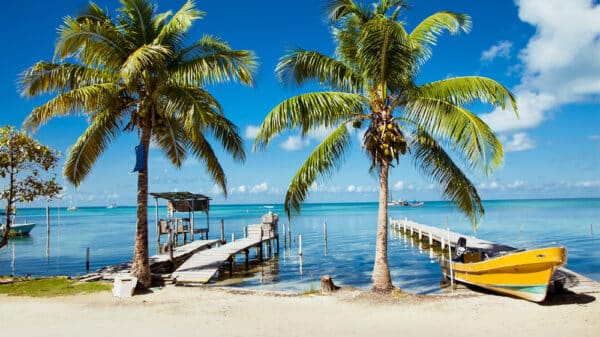
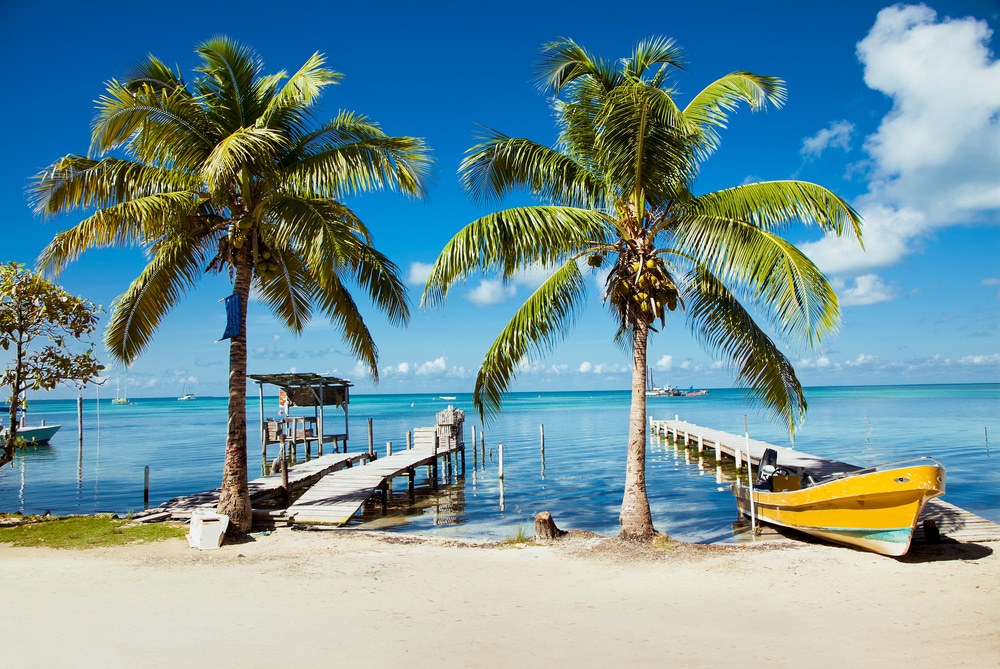
Caye Caulker has transformed the concept of relaxation into a local mandate. With its official slogan being “Go Slow,” the island community ensures that the atmosphere remains unhurried. Private cars are prohibited, leaving the sandy streets to a fleet of colorful beach cruisers and golf carts that serve as local transportation. Aside from a handful of necessary utility vehicles, the island is remarkably quiet.
Situated a short ferry ride from Belize City, Caye Caulker provides immediate access to the world’s second-largest barrier reef. Visitors often spend their mornings exploring vibrant underwater ecosystems filled with stingrays and nurse sharks before settling in for a meal of fresh seafood prepared over beachside grills. It offers a classic Caribbean experience that is often more accessible and affordable than more commercialized neighboring islands.
- The Car-Free Environment: The island’s streets are primarily composed of packed sand. Traffic is non-existent, often consisting of nothing more than neighbors stopping their bicycles to share a conversation in the road.
- A Local Favorite: A trip to Caye Caulker is incomplete without visiting “The Split,” a waterway created by a past hurricane. Here, travelers can enjoy the water at the Lazy Lizard, a famous spot where you can wade into the sea with a drink in hand.
- Travel Tip: Since English is the primary language and the U.S. Dollar is widely accepted at a fixed rate, navigating the island and booking local excursions is exceptionally straightforward for international visitors.
The Bohemian Atmosphere of Isla Holbox, Mexico
While the majority of travelers to the Yucatan Peninsula flock to the high-rise hotels of Cancun, those in the know travel north. A two-hour drive followed by a twenty-minute ferry from the port of Chiquila leads to Isla Holbox, a destination that feels like a window into Mexico’s past. Because the island is tucked within the Yum Balam nature reserve, standard cars are legally banned to protect the local ecosystem.
The roads here are made of soft white sand, and the preferred modes of transport are walking, fat-tire bicycles, or rugged golf cart taxis. The waters surrounding Holbox are exceptionally shallow and calm, making it a premier choice for those looking to avoid the heavy surf and crowded beach clubs of the Riviera Maya. The island is also celebrated for its artistic spirit, with vibrant murals adorning many of the village buildings.
- The Silent Sanctuary: The absence of engines allows the sound of the ocean and the breeze to take center stage, creating a deeply tranquil environment that is increasingly rare in popular Mexican tourist hubs.
- Evening Tradition: For an authentic dining experience, head to the town’s central square at night. Local vendors serve fresh tacos al pastor and “Marquesitas”—crunchy crepes filled with a unique mix of cheese and chocolate—at a fraction of the price of beachfront restaurants.
- Financial Logistics: It is essential to carry cash. While there are a few ATMs on the island, they are known to run out of currency or malfunction, and many small boutiques and eateries do not accept cards.
The Remote Paradise of Little Corn Island, Nicaragua
For those who want to truly disconnect, Little Corn Island represents the pinnacle of isolation. While other car-free islands might allow golf carts, Little Corn does not permit any motorized transport for visitors. The island is navigated entirely on foot through a network of narrow concrete paths and jungle trails that lead to secluded white-sand coves. Without the hum of engines, the island feels like a private Garden of Eden.
Reaching this destination is an adventure in itself, involving a domestic flight from mainland Nicaragua followed by an exhilarating boat crossing from Big Corn Island. The effort is rewarded with a Caribbean paradise that remains largely untouched by modern development. You can traverse the entire length of the island in about an hour, passing through lush tropical greenery without ever crossing a paved road.
- Total Tranquility: This is one of the few places left where the only sounds you’ll hear are the rustling of palms and the crashing of waves. It is the perfect spot for travelers looking to leave the grid behind.
- Seafood Specialities: Due to the island’s location and the lack of complex logistics, fresh lobster is an abundant local staple. Many small, family-run cafes offer world-class seafood dinners at prices that are significantly lower than elsewhere in the Caribbean.
- Packing Strategy: Since you will be responsible for carrying your own luggage from the dock to your accommodation along dirt and sand paths, using a backpack instead of a rolling suitcase is highly recommended.
Final Thoughts on Car-Free Travel
Choosing a car-free island for your winter getaway is about more than just avoiding traffic; it is about reclaiming your time and reconnecting with nature. Whether you prefer the “Go Slow” energy of Belize, the artistic streets of Mexico, or the total isolation of Nicaragua, these destinations prove that the best way to see the world is often on two wheels or your own two feet. By removing the noise of modern transportation, these islands allow the natural beauty of the tropics to take center stage, providing a restorative experience that lingers long after you return home.