













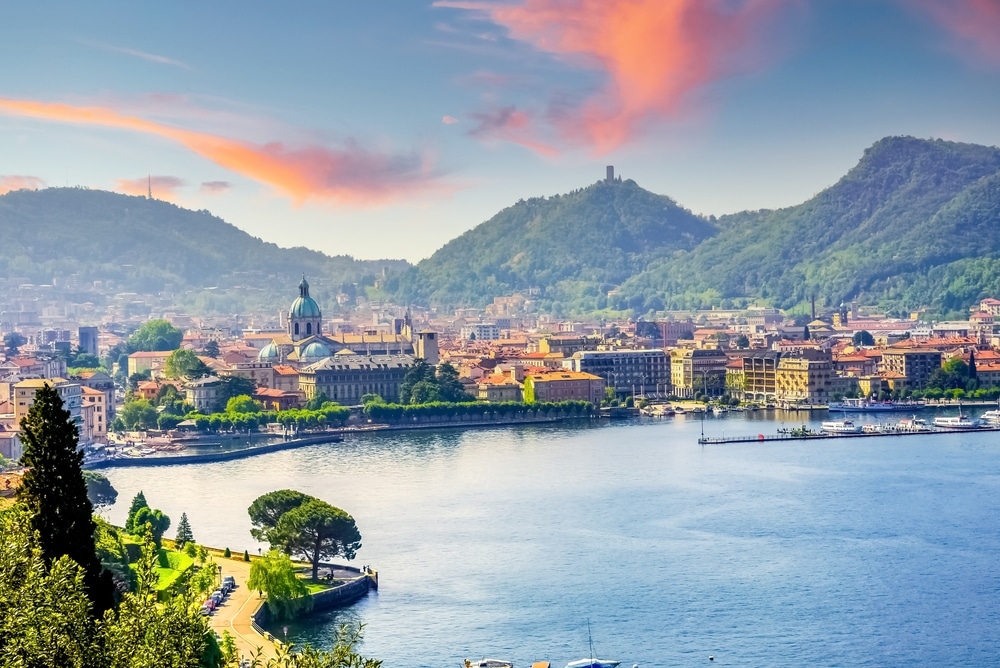
Lake Como, a picturesque destination in northern Italy, is a tourist magnet. But the region has been feeling the strain of its popularity. Now, a fishing village on the lake with a population of just 650 has introduced a new rule aimed at improving residents’ quality of life. Varenna is banning tourists from going shirtless in the village, and those who violate the rule could face fines of up to €200 ($227).
Mayor Mauro Manzoni said the village is proud to welcome visitors from around the world. “However, our residents’ quality of life cannot be sacrificed on the altar of mass tourism.”
Tourists will no longer be allowed to wear swimsuits or go bare-chested while exploring the village. In addition, tour groups are now limited to 25 people, loudspeakers are prohibited, and visitors are asked not to crowd the village’s cobblestone streets. Swimsuits are still permitted on the beaches, but a dress code applies within the village. Visitors should cover up before entering churches, shops, or restaurants to comply with the rules.
It is not the first place in Italy to impose a dress code. Sorrento, as well as destinations in Tuscany and Campania, have also fined visitors for wearing swimsuits away from the beach. Sorrento introduced the rule in 2022 when the mayor banned people from wandering around town in swimsuits or bare-chested. Fines can reach €500. Portofino also cracked down on tourist behavior last year. Walking barefoot, strolling through town in a bikini or without a shirt, and drinking alcohol on public streets can all result in fines of up to €500.
But it’s not just Italy. French coastal towns are also cracking down on people walking shirtless through the streets.
Italy’s Struggle With Tourism
Italy is one of Europe’s most popular destinations. In 2023, it welcomed 133.6 million visitors, and 2026 is expected to break all previous records. As a result, the country is grappling with overcrowding, and many locals are feeling the strain. In the Dolomites, one village has restricted access to a church after tourists began flocking to it, while another installed turnstiles last year to charge arriving visitors.
Authorities have also introduced a series of rules and fines to keep tourists in check. Rome’s famous Trevi Fountain now charges a €2 entry fee for visitors who want to get close to the 18th-century Baroque landmark. Officials also warn against eating or drinking near the fountain or sitting on its edge. There have been frequent reports of people wading into or swimming in the fountain, offenses that can result in fines of €450 or more. Damaging the fountain can lead to a one-year prison sentence and fines of €2,000 or more. These penalties were introduced in response to poor visitor behavior, and throughout Italy, officers regularly monitor popular attractions for rulebreakers.
Florence has restricted outdoor seating following complaints from residents, a move that has been protested by local businesses. Como is also attempting to reduce congestion, with Mayor Alessandro Rapinese ordering the removal of wooden terraces.
Other parts of the country are also taking steps to make tourism less disruptive. Capri, for example, has limited organized tour groups to 40 people and banned loudspeakers. Along the Amalfi Coast, officials are trying to ease congestion during the busy summer travel season by allowing cars with odd-numbered license plates to drive only on odd-numbered dates.
But of all Italy’s destinations, Venice continues to face the greatest challenges from overtourism. The city became the first in the world to charge a fee for day-trippers. However, the €5 to €10 entry fee has done little to deter visitors, and officials are now considering raising it to as much as €59 in an effort to reduce crowds and help preserve the historic city.