

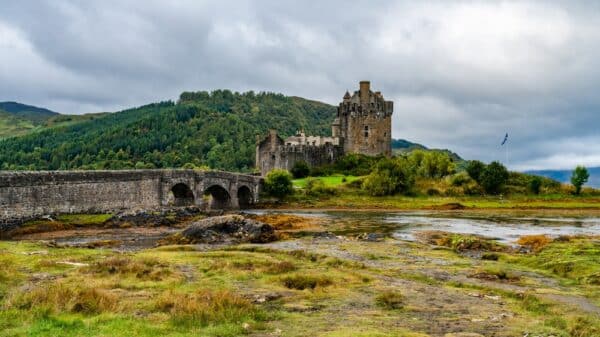






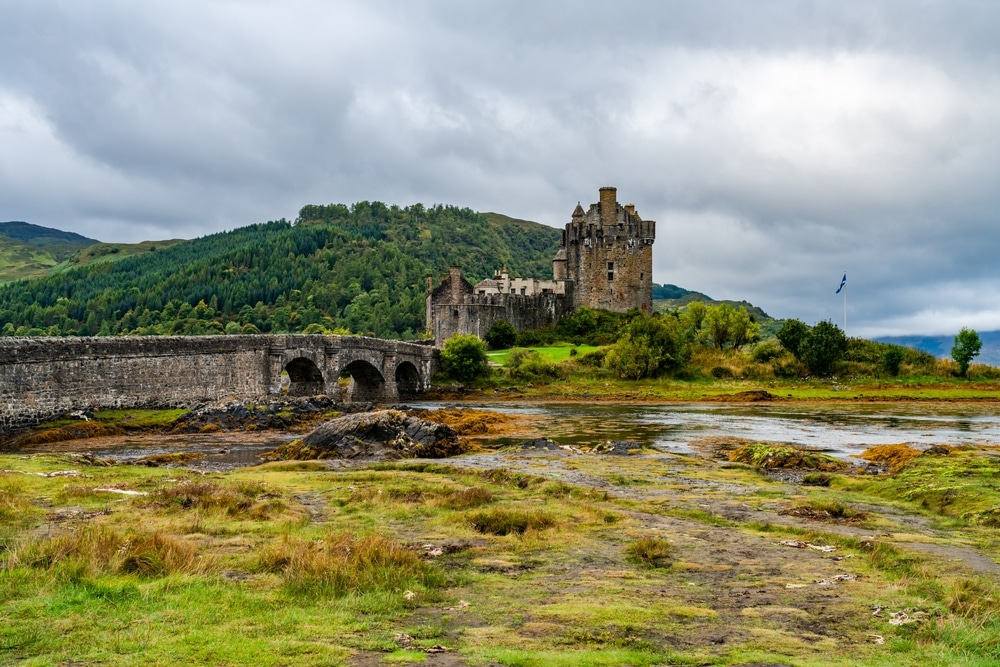
Watching the Scottish mist descend upon ancient stone streets offers a profound sense of tranquility, where the echoes of history seem to resonate through the air. Embarking on a journey through this landscape encourages a departure from the typical hurried vacation. Scotland invites a “slow travel” approach, urging visitors to move past the simple checklist of landmarks and instead immerse themselves in the brooding atmosphere of its castles, the vibrant green of its glens, and the welcoming warmth of its traditional village pubs. This is a destination where the journey itself becomes the destination, focusing on the sensory experience of exploration rather than the speed of arrival.
Exploring Edinburgh’s Historic Grandeur and Literary Roots
As the primary entry point for many Scottish explorations, Edinburgh presents a dense collection of architectural masterpieces spanning several centuries. A popular starting point is Calton Hill, where monuments—including an ambitious, though unfinished, tribute to the Parthenon—provide a dramatic frame for the city’s skyline. From this height, the transition of light over the capital creates a legendary vista. Further exploration leads to the Palace of Holyroodhouse, anchored at the base of the historic Royal Mile. This site offers a deep dive into 16th-century royal life, featuring meticulously maintained gardens and the evocative remains of the 12th-century Augustinian abbey.
The city’s cultural narrative continues in Greyfriars Kirkyard, a 16th-century cemetery where the names on weathered headstones provided creative sparks for the Harry Potter series. Nearby, The Writer’s Museum pays homage to the influential works of Robert Burns, Sir Walter Scott, and Robert Louis Stevenson, cementing the city’s status as a literary hub. For those seeking a quieter pocket of history, Dean Village offers a glimpse into an 800-year-old milling community, where stone cottages and old bridges sit peacefully along the Water of Leith, providing a serene escape from the urban center.
Highland Heritage: Victorian Charm and Historic Battlefields
Moving away from the urban centers toward the Scottish Highlands, the Victorian village of Pitlochry serves as a gateway to the north. Nestled among dramatic hills, it is home to the 8th-century Dunfallandy Stone and traditional distilleries that attract visitors globally. This shift toward rural tourism helps distribute economic benefits to local family-owned businesses while reducing the density of travelers in major cities, fostering a more sustainable tourism model. This area proves that mindful travel can have a direct, positive impact on smaller regional communities.
Continuing toward Inverness, the landscape becomes more somber at the Culloden Battlefield. This site marks the 1746 conclusion of the Jacobite uprising and offers a place for genuine historical reflection. In the surrounding fields, travelers often encounter the iconic Highland cattle, known as “Hairy Coos,” which have become a symbol of the region’s rustic charm. These authentic interactions with heritage sites and local wildlife illustrate the growing global demand for experiential travel that prioritizes depth over superficiality.
Stirling: A Bastion of Medieval Power
The Stirling region provides an essential look at Scotland’s medieval era, dominated by Stirling Castle. Positioned atop a volcanic ridge, this fortress was the childhood home of Mary, Queen of Scots, and remains a significant draw for cultural tourists. The preservation of such sites ensures that history remains an active economic and social pillar for the surrounding community, supporting a wide network of local hospitality services. Its strategic location and historical weight make it a cornerstone of any heritage-focused itinerary.
Nearby, the National Wallace Monument reaches 220 feet into the sky, a Victorian tribute to Sir William Wallace. Visitors who climb the structure are rewarded with panoramic views and exhibits detailing the historical fight for Scottish independence. These landmarks in the Stirling area underscore the enduring appeal of destinations where dramatic physical geography and significant historical narratives are inextricably linked, encouraging modern travelers to explore beyond the most famous city limits.
The Cultural Soul of the Capital and Beyond
Edinburgh remains the theatrical heart of the nation, boasting an unparalleled density of landmarks. Many begin at Calton Hill to witness the sun setting over the urban architecture before descending to the Palace of Holyroodhouse. This site allows travelers to connect with the 16th-century royal court while wandering through the ruins of an abbey founded in 1128. The Royal Mile acts as a bridge between these grand monuments and the intimate, hidden histories found in the city’s many “closes” and alleyways.
Further exploration into the city’s creative past often leads to the Writer’s Museum and the atmospheric Greyfriars Kirkyard, famous for its association with Greyfriars Bobby and literary inspiration. Dean Village remains a primary example of how historic industrial sites—in this case, an 800-year-old grain milling hub—can be preserved as picturesque residential and walking areas. This combination of royal history, literary legacy, and preserved industrial charm makes the capital a multifaceted destination for every type of traveler.
Glasgow’s Artistic Vibrancy and Industrial Legacy
Glasgow, the nation’s largest city, provides a vibrant contrast to Edinburgh’s medieval character. Once an industrial powerhouse, it is now celebrated for its friendliness and thriving arts scene. Key attractions like the Riverside Museum showcase the country’s transport history, while Kelvingrove Park offers a spacious green retreat within the city. Exploring areas like Merchant City or the cobbled Ashton Lane reveals a city that balances its Victorian roots with a modern, cosmopolitan energy through music and diverse culinary experiences.
Including Glasgow in a travel plan significantly enriches the Scottish experience by showcasing the country’s modern cultural evolution. The city’s world-class museums and legendary live music venues ensure that international visitors engage with contemporary Scottish life. For travel planners, Glasgow demonstrates how the integration of traditional industrial heritage with a lively modern cultural sector can create a well-rounded and satisfying experience for a diverse range of visitors.
Inverness and the High-Latitude Wilderness
Inverness serves as the essential hub for the Highlands, offering a blend of urban comfort and access to the wild north. From the banks of the River Ness, visitors can explore the Victorian Market or the famous Leakey’s Bookshop. Its strategic position allows for easy excursions to landmarks like Loch Ness and Urquhart Castle. This region highlights the synergy between urban hospitality and the rugged, natural beauty that defines the northern part of the country.
The proximity of Culloden Battlefield allows for a transition from the bustle of the city to a place of quiet historical significance. The presence of Highland cattle in the surrounding fields adds a layer of traditional charm to the journey. This mix of high-quality urban services, deep literary roots, and access to some of the world’s most dramatic landscapes explains why the Highlands remain a top destination for those seeking authentic regional exploration.
The Strategic Importance of Stirling’s Historic Sites
Stirling’s history is defined by its strategic military importance, represented best by its castle sitting on a steep volcanic outcrop. As a key site in the life of Mary, Queen of Scots, the castle is a primary driver of regional tourism. The ongoing maintenance and promotion of such structures highlight the economic value of architectural preservation, as they support the local economy and keep national history relevant for modern audiences. It stands as a symbol of resilience and historical continuity.
The Wallace Monument continues to dominate the local skyline, offering an educational journey into the struggles for national sovereignty. These key locations—spanning Edinburgh, Glasgow, Inverness, and Stirling—provide a comprehensive framework for heritage travel. They demonstrate that when history and geography are preserved and presented thoughtfully, they create a compelling narrative that attracts global attention and fosters long-term tourism growth.
Digital Twins and Augmented Reality: The Future of Heritage
The adoption of digital twin technology and augmented reality (AR) is changing how visitors interact with Scotland’s ancient landmarks. Projections for 2026 suggest that nearly half of the heritage sites in cities like Edinburgh and Stirling will use AR to recreate historical scenes and battlefields in real-time. This technological shift has already led to a significant increase in visitor engagement, particularly among younger travelers. By using digital overlays, managers can protect the physical integrity of ancient stone structures while offering a more immersive educational experience.
These innovations are also creating new financial avenues for conservation. Digital platforms and virtual tour options have generated millions in annual funding for heritage trusts. Data indicates that travelers who use digital tools to preview their trips often stay longer in the destination, which helps spread tourism more evenly throughout the year and reduces seasonal overcrowding. This blend of high-tech tools and ancient history ensures that the Scottish narrative remains accessible and sustainable in a digital age.
Greening the Highlands: Sustainable Transit and Rail
Modernizing transport in the Highlands is central to Scotland’s goal of achieving net-zero tourism by 2030. Significant investments have gone into upgrading rail lines between major cities like Glasgow and Edinburgh and northern hubs like Inverness. These improvements have reduced transit-related carbon emissions by about 35 percent. In 2026, scenic rail travel has become a preferred method for many visitors, offering a low-stress, eco-friendly alternative to driving that preserves the tranquility of rural ecosystems.
The renewal of railway stations in remote areas has also revitalized small-town economies. Local businesses located near these stations have seen a notable increase in revenue as travelers use the rail network to access more isolated regions. By turning transit stations into cultural and economic hubs, planners have created an interconnected system that supports both the traveler and the local community. This focus on sustainable infrastructure is a key component in securing the long-term viability of tourism across the country.
The Growth of Wellness Tourism in the Countryside
The global trend toward mental and physical wellness has made Scotland’s rural retreats a fast-growing sector of the 2026 tourism economy. Wellness-seeking travelers often spend more per trip than the average tourist, frequently choosing remote Highland or Stirling estates for their stays. These programs often combine traditional hydrotherapy and mindfulness with organic, locally sourced nutrition. This offers a necessary reprieve for those looking to escape the pressures of modern urban life through a connection with nature.
Wellness tourism supports local communities by providing long-term employment and creating a market for organic agricultural products. Furthermore, this type of travel is inherently low-impact, focusing on activities like “forest bathing,” yoga, and mindful walking. By leveraging its dramatic natural beauty for health-conscious travel, Scotland is able to attract high-value visitors while maintaining the ecological health of its rural environments.
The Economic Power of Cultural Festivals
Festivals remain a massive economic driver for Scotland, with major events like the Edinburgh Festival Fringe drawing millions of international visitors. In 2026, the economic impact of these gatherings remains significant, supporting thousands of jobs across the arts, transport, and hospitality sectors. The daily spending of festival attendees provides a major boost to urban economies, proving that culture is one of the nation’s most valuable exports.
Beyond the immediate financial benefits, these festivals serve as a global stage for Scottish talent. Tourism authorities use the popularity of these events to encourage visitors to explore beyond the capital, creating multi-destination itineraries that include Glasgow and various heritage towns. This strategy ensures that the cultural and economic energy generated by major festivals is distributed throughout the country, enhancing Scotland’s reputation as a world leader in the arts.
Set-Jetting: The Impact of Film and Media on Travel
The phenomenon of “set-jetting”—traveling to locations seen in films and television—is a major force in Scottish tourism. By 2026, a significant portion of international visitors cite media as their primary reason for visiting. This trend brings millions in expenditure to regional economies, turning remote glens and historic streets into global landmarks. It has effectively moved Scotland from the screen into the “bucket lists” of travelers worldwide.
To manage the influx of media fans, local authorities have developed specialized infrastructure, such as film-themed trails and enhanced signage. These initiatives provide historical context to fictional settings while protecting natural sites from the wear of increased foot traffic. By bridging the gap between popular culture and real-world heritage, Scotland is able to capitalize on media trends without losing the historical integrity of its sites.
Inclusivity and the Rise of Accessible Tourism
Making travel barrier-free is a top priority, with significant funding directed toward improving accessibility at major landmarks and nature reserves. Upgrades in cities like Glasgow and Edinburgh include tactile exhibits and wheelchair-accessible paths, ensuring everyone can enjoy the country’s heritage. Accessible tourism is a major market segment characterized by longer stays and high loyalty, making it an essential focus for the industry.
Providers that adopt universal design standards often see more consistent bookings throughout the year. This commitment to inclusivity is not just an economic strategy but a social one, ensuring that dignity and equal access are fundamental to the Scottish travel experience. It reflects a progressive model of tourism that values every traveler regardless of their physical abilities.
Eco-Certified Lodging and Green Hospitality
The shift toward eco-certified accommodations is a defining trend in the Scottish hospitality industry. By 2026, a majority of hotels and guesthouses in Edinburgh and the Highlands have achieved green certifications. These establishments focus on zero-waste practices, energy efficiency, and local supply chains. With most travelers now seeking environmentally responsible lodging, these certifications have become a major competitive advantage.
This green transition also benefits operators through reduced utility costs and operational efficiencies. Many eco-lodges go a step further by partnering with local reforestation or peatland restoration projects, allowing guests to contribute to the environment during their stay. This synergy between business and stewardship creates a resilient foundation for the future of the tourism industry, aligning commercial success with environmental protection.
Stargazing and the Dark Sky Tourism Niche
As urban light pollution increases globally, Scotland’s Dark Sky Parks have become a major draw for astronomical tourism. These remote areas, particularly in the Highlands, attract photographers and nature lovers looking for pristine nocturnal views. Winter expeditions for stargazing provide a valuable economic boost during the traditional off-season, helping local businesses maintain a steady income throughout the year.
Investments in viewing platforms and certified astro-guides have helped rural communities capitalize on this trend without needing massive infrastructure development. Dark sky tourism offers a contemplative way for travelers to connect with nature, providing a peaceful nighttime counterpart to the busy heritage touring of the day. It reinforces Scotland’s appeal as a destination for those looking to reconnect with the natural world.
The Nostalgia and Economy of Steam Railways
The revival of steam railways has created a unique niche in the travel market, offering a slow and nostalgic way to see the landscape. These heritage lines transport over a million passengers each year and support hundreds of specialized jobs in rural areas. They act as economic anchors, drawing visitors to the small towns and independent shops located along the tracks. This form of travel celebrates Scotland’s industrial past while providing a modern leisure experience.
To stay relevant and sustainable, many of these heritage lines have adopted biofuels and modern maintenance techniques. This ensures they meet environmental standards without losing their historical authenticity. The popularity of these trains demonstrates that for many travelers, the method of travel is just as important as the destination, especially when it offers a connection to the engineering feats of the past.
Craft Beverages and the Expansion of Culinary Trails
While Scotch whisky remains a primary attraction, the craft beer and artisanal beverage scene is growing rapidly. Independent breweries and micro-distilleries have expanded significantly, attracting a younger demographic interested in fermentation workshops and local tastings. This sector supports local agriculture by using organic Scottish ingredients, creating a robust local supply chain that benefits both the producer and the tourist.
Dedicated craft beverage trails now lead visitors through both urban neighborhoods and rural outposts, encouraging exploration of lesser-known areas. These trails support family-owned businesses and celebrate the innovation found in the modern brewing scene. By diversifying its beverage offerings, Scotland is able to meet the global demand for hyper-local, authentic culinary experiences that go beyond the traditional spirit industry.
Marine Eco-Tourism and Sustainable Island Hopping
Island hopping across Scotland’s western archipelagos is more popular than ever, driven by a desire for wilderness and wildlife. Coastal ferries and wildlife tours connect the mainland to remote islands, supporting local economies through ethical excursions. These programs often focus on marine education and conservation, ensuring that activities like whale watching do not disturb the delicate coastal ecosystems.
Island communities have taken a lead in this sustainable model, often managing their own marine reserves and training local residents as guides. This ensures that the financial benefits of tourism stay within the community and help fund local conservation efforts. It proves that tourism can be a force for environmental good when it is managed with a focus on ecological stewardship and community involvement.
Literary Trails and the Culture of the Bookshop
Scotland’s deep literary heritage continues to be a major draw, with travelers seeking out the haunts of famous authors and the country’s many independent bookshops. Literary tourism now accounts for a significant portion of cultural visits, with iconic shops like Leakey’s in Inverness serving as major landmarks. These locations offer a space for intellectual engagement and support the local creative economy.
New literary walking trails, enhanced by digital guides, allow readers to explore the settings of their favorite books in both cities and rural areas. This low-impact tourism provides a deeply reflective way to experience the country, requiring little infrastructure while offering a high level of cultural value. It reinforces Scotland’s reputation as a place where the written word is both honored and actively celebrated by modern audiences.
Summary of the Slow Travel Experience in Scotland
A journey through Scotland’s historic cities and rugged landscapes leaves a lasting impression that goes far beyond a typical holiday. The combination of ancient stone, mist-covered hills, and the genuine warmth of its people creates a travel experience that resonates on a personal level. By embracing a slower pace, visitors can truly connect with the layers of history and the vibrant contemporary culture that define this northern nation. Whether it is through the lens of a camera on a dark sky expedition or the pages of a book in a quiet corner of Edinburgh, Scotland offers a profound and transformative escape for those willing to look deeper. Pack with intention, move with the rhythm of the landscape, and allow the beauty of the Highlands and the energy of the cities to redefine your understanding of travel.