









After exploring over 200 cities across 40 European nations, it becomes easy to identify what makes a destination truly rewarding versus what makes it a logistical headache. Many travelers find themselves trapped in “over-tourism” zones—expensive metropolises where the crowds are suffocating and the public transportation systems are a confusing, costly web of metro lines. For a more refreshing experience, the best strategy is to seek out “pocket-sized” cities that prioritize walkability and authentic charm over urban sprawl.
If you prefer discovering hidden gems that can be navigated on foot without the need for an expensive day pass, these five walkable European destinations offer the perfect blend of accessibility and historic beauty.
Luxembourg City, Luxembourg: A Multi-Level Capital with Free Transit
Luxembourg City serves as the compact capital of a small nation bordered by Germany, Belgium, and France. One of its most significant advantages for travelers is its national policy of entirely free public transportation. Whether you board a bus or a tram, you can navigate the city and the surrounding countryside without spending a cent.
The city’s heart is a UNESCO World Heritage site divided into two distinct levels. The Upper Town (Ville Haute) is situated on a dramatic rocky plateau. Here, you can wander through cobblestone streets to see the Grand Ducal Palace, the twin-spired Notre-Dame Cathedral, and the historic ramparts that offer balcony-style views of the valley below.
A quick 12-minute walk takes you down into the Grund, a tranquil “village” located at the base of the city’s ancient fortifications. This lower-lying district features pastel-colored homes and peaceful café terraces along the Pétrusse River. You can easily see the historic highlights of the city in about four hours. For those with extra time, a one-hour bus ride leads to Vianden, a northern town famous for its stunning hilltop castle.
Essential Travel Requirements for European Entry
Before planning your trip, it is vital to verify current entry protocols. Travelers using U.S. passports typically have access to the Schengen Area—which includes Luxembourg—for up to 90 days within a 180-day window. Keep in mind that the European Union is implementing new biometric systems and the ETIAS travel authorization, so checking the latest requirements through official entry tools is highly recommended before you fly.
Bruges, Belgium: The Enchanting Canal City
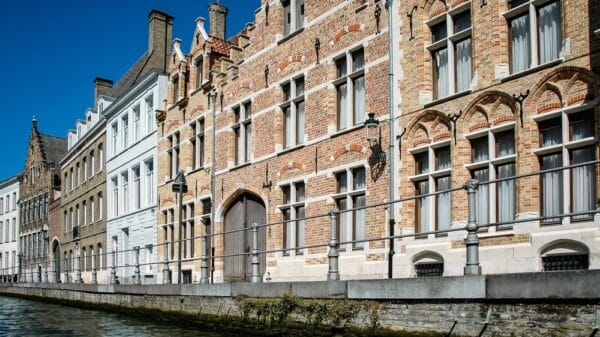
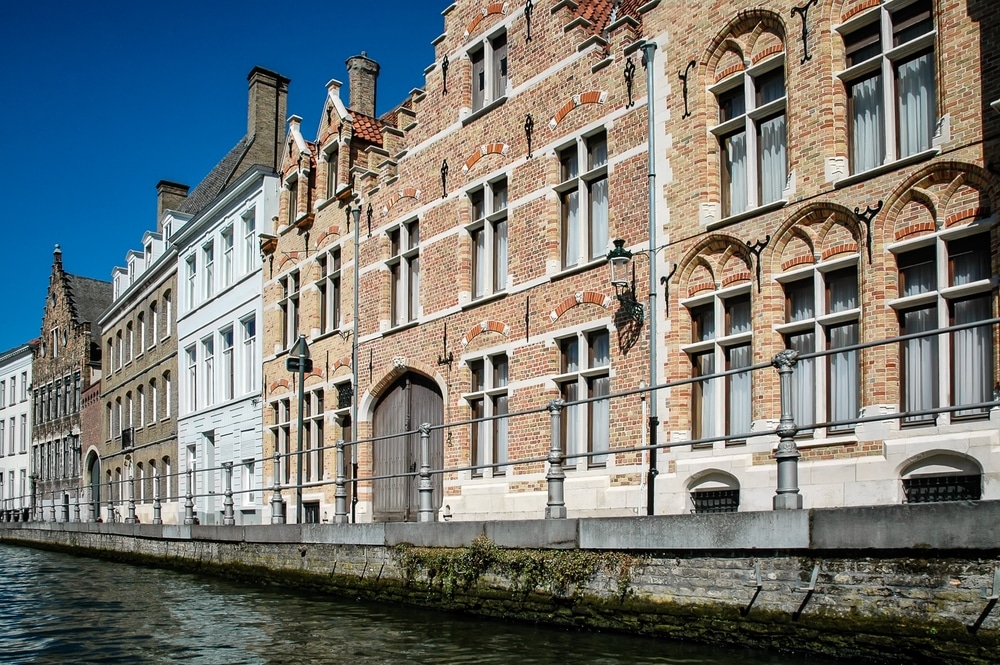
Belgium is a paradise for day-trippers, offering several historic cities like Ghent and Leuven within short distances of one another. However, Bruges remains the standout for those seeking a fairy-tale atmosphere. Often compared to Amsterdam, Bruges offers a more intimate experience with fewer crowds and a more manageable scale.
The city is defined by its picturesque waterways and romantic stone bridges. One of the most efficient ways to orient yourself is a 30-minute boat tour departing from Rozenhoedkaai, a scenic area known for its waterfront architecture and hanging greenery. From the water, you can view the city’s famous stepped-roof houses and hidden side canals.
Back on land, head to Markt Square to enjoy authentic Belgian frites. For those seeking the best panoramic view of the skyline, the medieval Belfry of Bruges is a must-visit. Be prepared for a physical challenge, as the ascent involves 366 steps through a staircase that becomes quite narrow at the top. Arriving early is the best way to avoid the queues.
Menton, France: The Riviera’s Colorful Hidden Corner
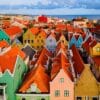
Located on the eastern edge of the French Riviera near the Italian border, Menton is often overlooked in favor of Nice or Monaco. This Mediterranean gem is famous for its vibrant, slender buildings that rise up the hillside in shades of terracotta, ocher, and coral. Because cars are restricted in the upper parts of the town, Menton is a dream for pedestrians.
A great starting point is the Les Rampes Saint-Michel, a grand Baroque staircase that connects the beach to the town’s yellow basilica. Exploring Menton is less about checking off a list and more about getting lost in the labyrinth of uphill cobblestone alleys. If you are feeling adventurous, you can even walk to the Italian border at Ponte San Ludovico in roughly 15 minutes.
While summer is popular, visiting in February offers a unique experience: the Fête du Citron. This annual festival celebrates the town’s citrus heritage with massive floats constructed from over 140 tons of lemons, accompanied by specialty citrus-flavored treats found throughout the local shops.
Zagreb, Croatia: A Triple-Layered Historic Capital
While Zagreb is a bustling capital with a large population, its primary tourist attractions are concentrated within a historic center covering only about one square mile. This core is divided into three distinct neighborhoods: the Lower Town (Donji Grad), the Upper Town (Gornji Grad), and Kaptol.
The Lower Town acts as the city’s social hub, centered on the pedestrian-friendly Ban Josip Jelačić Square. From here, you can take a 64-second ride on the 135-year-old funicular up to the Upper Town. Once at the top, you are greeted by the Lotrščak Tower, which still fires a cannon every day at noon to mark the time. Nearby, you will find the quirky Museum of Broken Relationships and the iconic St. Mark’s Church, famous for its colorful tiled roof displaying the Croatian coat of arms.
A short walk leads to Kaptol, home to the country’s tallest cathedral and Tkalčićeva Street, a vibrant stretch of outdoor cafes and restaurants. While the city center is easily explored in a day, those staying longer can visit the Mirogoj Cemetery or the hiking trails of Sljeme Mountain.
Ljubljana, Slovenia: An Intimate Alpine Escape
Ljubljana is one of Europe’s smallest and most relaxed capitals. It lacks a metro system because it simply doesn’t need one; the historic Old Town is almost entirely pedestrianized and highly compact. The city’s atmosphere is defined by its green spaces and the Ljubljanica River, which is spanned by several ornate bridges, including the famous Dragon Bridge.
The city’s layout encourages slow exploration. You can wander along the riverside promenades, enjoy an affordable local beer (often around $4), or hike the scenic path up to Ljubljana Castle for a view of the surrounding Alps. The architecture is a beautiful mix of Habsburg facades and modern touches, creating a clean, welcoming environment.
Because Ljubljana is so manageable, many travelers use their extra time for a side trip to Lake Bled. Located just 75 minutes away by bus, this emerald-colored lake with its island church is one of the most photographed spots in the region and serves as a perfect complement to the quiet charm of the capital.
Closing Remarks: Choosing smaller, more walkable European cities allows you to trade the stress of navigation for the joy of discovery. These five destinations prove that you don’t need a massive city to have a grand experience. By focusing on compact historic centers and pedestrian-friendly streets, you can see more of Europe’s authentic beauty with much less effort.