







Iceland has long been celebrated as the land of fire and ice, a destination defined by its striking contradictions. Here, the subterranean heat of active volcanoes meets the frozen stillness of expansive glaciers. While most visitors find themselves navigating the bustling crowds of the island’s southern coast, there is a quieter, more desolate side of Iceland that offers a profound sense of isolation and raw natural beauty.
While the Blue Lagoon and the Golden Circle remain the primary draws for many travelers, there is immense value in exploring the country’s least-visited region: the Highlands. Moving away from the well-trodden tourist paths reveals a landscape that feels entirely disconnected from the modern world, offering some of the most spectacular scenery in Northern Europe.
Navigating the Untamed Heart of the Icelandic Interior
Iceland is remarkably accessible for a country without a rail system. Most travelers stick to Route 1, also known as the Ring Road, which circles the island and provides easy access to major landmarks. The well-paved highways and high standards of local driving make renting a car a popular and relatively simple way to see the sights. However, the island’s interior—the Highlands—remains a world apart from the comfort of the Ring Road.
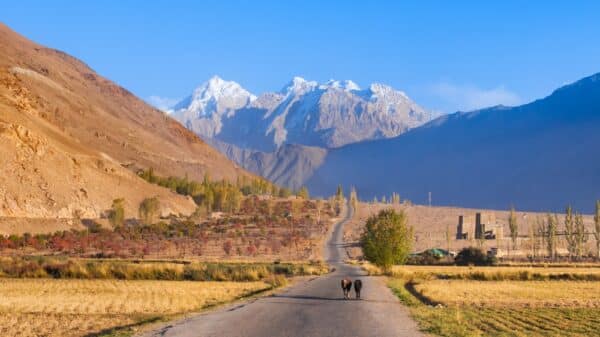
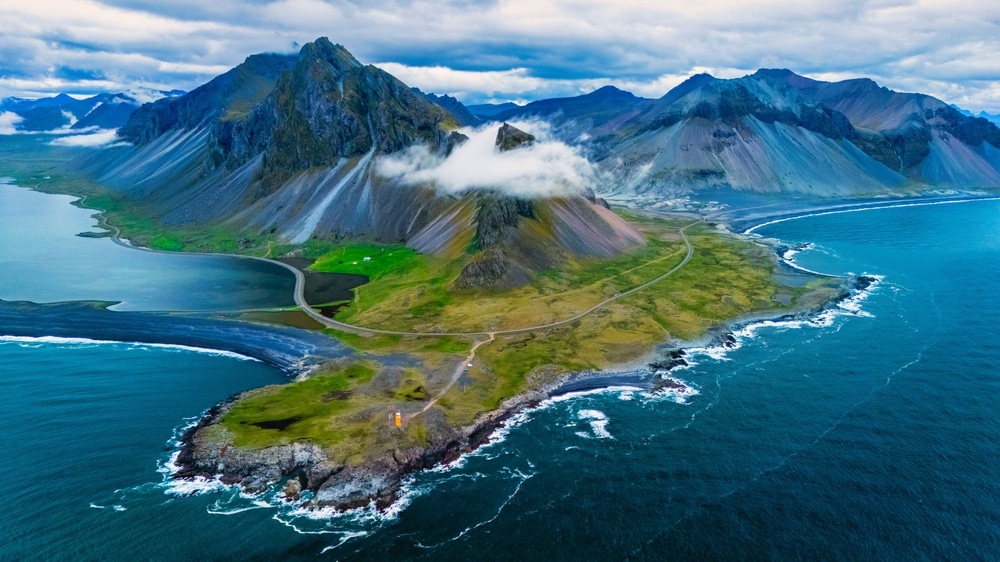
This desolate region is a true wilderness, characterized by vast deserts of black volcanic sand, pumice fields, and jagged glacial peaks. It is a place where thundering waterfalls emerge from barren rocks and the silence is only broken by the wind. There are no permanent towns here; instead, the region is defined by its rugged routes and a few isolated outposts like the Hveravellir Nature Reserve and the Highland Base at Kerlingarfjöll, both of which maintain a year-round staff despite their remote locations.
Reaching this area requires preparation. Travelers typically utilize the Kjölur route, one of the primary passages through the interior. From Reykjavik, the drive takes approximately six hours, though this depends heavily on weather conditions. Access is strictly limited to four-wheel-drive vehicles and is generally only possible from mid-June through September. The journey begins smoothly on paved roads passing through the Golden Circle, but once you transition to the F-roads—Iceland’s unpaved, rocky mountain tracks—the pace slows, and the terrain becomes significantly more challenging.
Exploring the Volcanic Landscapes of Kerlingarfjöll and Hveravellir
The Kerlingarfjöll mountain range is a highlight of the Kjölur route. These peaks are composed of red rhyolite stone, which, when combined with minerals from local geothermal activity, creates a kaleidoscope of red, yellow, and green hues. The landscape is famously sparse, offering views that stretch for miles without a single sign of human life. Vegetation is rare, limited mostly to resilient volcanic moss.
Hiking is the primary activity in this region. One of the most famous landmarks is a jagged rock formation said to be the petrified remains of a female troll named Kerling, who, according to folklore, was turned to stone by the sun. For those seeking more than myths, the area also hosts one of Iceland’s largest geothermal zones, Hveravellir. This site is a surreal environment of bubbling mud pots, steaming vents, and a pervasive scent of sulfur—a landscape so alien that early Viking explorers reportedly compared it to the gates of hell.
Exploring Hveravellir involves traversing wooden walkways built over volatile hot springs. The terrain is marked by slow-moving streams and distant glaciers, often shrouded in thick steam. While the hikes are generally considered moderate, the weather in the Highlands is notoriously unpredictable. Even in September, cold winds and sudden changes in visibility make sturdy gear and expert guidance essential for a safe experience.
Finding Luxury in the Wilderness at Highland Base
Given the rugged nature of the Highlands, the level of comfort found at the Highland Base at Kerlingarfjöll is unexpected. As the most remote hotel in Iceland, it serves as a sophisticated sanctuary for those who prefer a warm bed over a campsite. The property offers a range of accommodations, from basic A-frame huts for trekkers to 46 elegantly designed guest rooms and several private cabins. The architecture utilizes warm wood tones and neutral fabrics to create a cozy atmosphere that contrasts sharply with the harsh environment outside.
The hotel is designed for the elements, featuring an underground tunnel that connects guest rooms to the main lodge. The onsite restaurant—the only one for miles—specializes in hearty Icelandic fare, such as local lamb and mushroom soup. For guests returning from a day of trekking, the daily waffle bar provides a welcome comfort. Beyond hiking, visitors can explore the area on e-bikes or relax in the Highland Baths, which are pools naturally heated by the region’s geothermal springs.
The Highland Base is also a premier destination for celestial viewing. Because there is virtually zero light pollution, the stargazing is unparalleled. During the autumn and winter months, the location provides a front-row seat to the Northern Lights, where vibrant displays of green, blue, and pink dance across the sky, emphasizing the magnificent scale of the Icelandic wilderness.
Summary of the Highland Experience
The Icelandic Highlands offer a rare opportunity to experience a true European wilderness. By trading the convenience of the Ring Road for the bumpy tracks of the Kjölur route, travelers can discover the vibrant rhyolite mountains of Kerlingarfjöll and the steaming geothermal wonders of Hveravellir. While the terrain is demanding and requires a 4×4 vehicle, the reward is a profound sense of solitude. With the addition of modern comforts like the Highland Base, exploring this “land of fire and ice” no longer requires sacrificing luxury, making it an essential journey for those seeking the most authentic and untouched version of Iceland.