













Indigenous communities and tribal organizations across Southeast Alaska are urging travelers to practice greater cultural sensitivity when visiting local landmarks. This call for respect comes in response to a growing social media trend that has led to an increase in inappropriate behavior around sacred totem poles.
The trend in question involves visitors filming themselves dancing around these monumental carvings to the song “Get Low” by Lil Jon & The East Side Boyz. This behavior appears to mimic a specific scene from the 2009 romantic comedy The Proposal. While the film’s story is set in Sitka, Alaska, the production actually took place in Maine, leading to a disconnect between the cinematic depiction and the actual cultural protocols of the region. Local leaders are now working to bridge that gap by educating the public on why these actions are harmful.
Understanding the Legacy of the Kootéeyaa
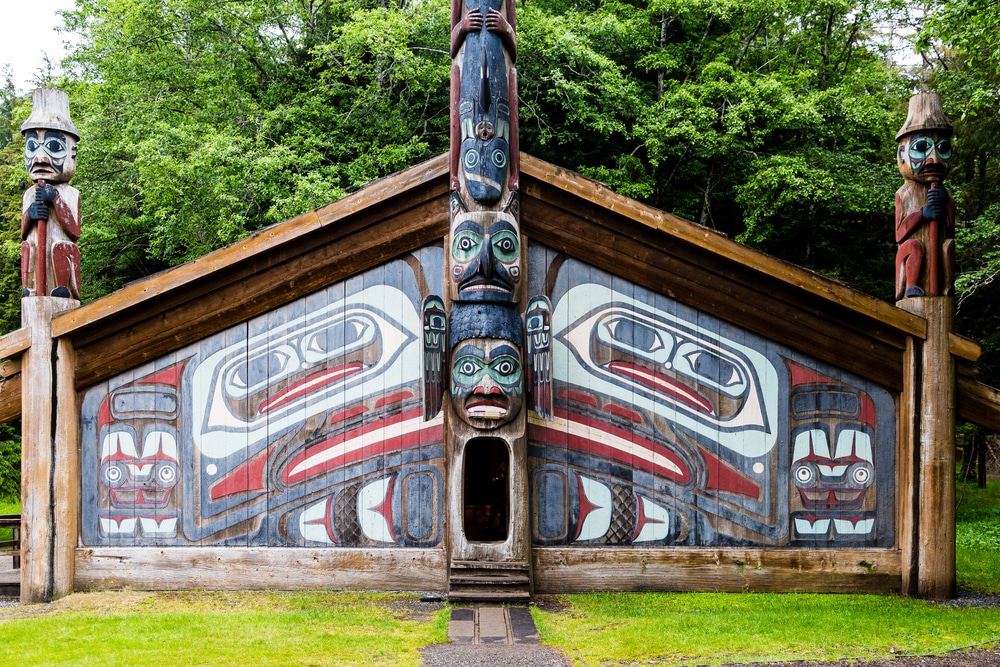
Totem poles, or kootéeyaa in the Tlingit language, are significant cultural pillars for the Indigenous peoples of the Pacific Northwest. These include the Haida, Tlingit, and Tsimshian nations in Alaska and British Columbia, as well as the Kwakwaka’wakw, Nuu-chah-nulth, and Coast Salish communities spanning into Washington state. Far from being mere decorative art, these carvings serve as vital records of history and identity.
Historically and in contemporary times, these poles are commissioned for various essential purposes. They may illustrate ancient legends, document a clan’s lineage, or serve as memorials for those who have passed away. Some are raised to welcome guests into a community, while others—known as shame poles—are used to hold individuals or groups accountable for wrongdoings. Modern poles also highlight pressing social issues, such as the Missing and Murdered Indigenous Women (MMIW) crisis or the contributions of first responders.
Official Responses from Alaska Native Leaders
The Tlingit and Haida tribes, the Ketchikan Indian Community, and the Alaska Native Heritage Center recently issued a collective statement addressing the rise in disrespectful behavior. Tribal leaders emphasized that these cultural treasures should not be treated as mere backdrops for entertainment or social media “props.”
Richard J. Peterson, President of the Central Council of the Tlingit & Haida Indian Tribes of Alaska, noted that while some tourists might view these dances as harmless fun, the effect is a trivialization of a living culture. He encouraged visitors to experience the beauty of the region while treating these sacred objects with the same reverence they would afford their own traditions and historical sites.
Echoing these sentiments, Emily Edenshaw, CEO and Tribal Administrator of the Ketchikan Indian Community, pointed out that totem poles represent generations of identity and responsibility. She noted that mocking these symbols shows a fundamental lack of respect for the ancestors and living descendants they represent. With over 38,000 tribal citizens, the Tlingit and Haida tribes are actively using platforms like Facebook to promote the message that their culture is not a prop, sharing educational resources that highlight the traditional ceremony of pole raising.
Promoting Respectful Tourism in Sitka
In Sitka, home to more than 4,800 tribal citizens, the Sitka Tribe of Alaska has called upon the tourism industry to take a more active role in visitor education. Rob Allen, the tribe’s interim general manager, indicated that while incidents of disrespect have occurred in the past, there has been a noticeable spike during the current travel season. The tribe is asking tour operators and local businesses to discourage misguided behavior and instead foster an environment of learning.
To assist in this effort, Visit Sitka has released formal guidelines for travelers. While photography is welcomed as a way to preserve memories of the trip, visitors are reminded to maintain a respectful distance. Key recommendations include avoiding physical contact with the poles, refraining from climbing on them, and avoiding any imitative behaviors that might diminish their historical and spiritual weight.
A Collective Commitment to Cultural Preservation
The preservation of Indigenous culture in Southeast Alaska depends on a mutual understanding between residents and visitors. By recognizing totem poles as living historical documents rather than stationary tourist attractions, travelers can contribute to the protection of Alaska Native heritage. Respecting the kootéeyaa ensures that these monumental carvings continue to stand as dignified symbols of pride, history, and community resilience for generations to come.