










Enjoying a slow evening at a Roman trattoria often concludes with a local ritual that can catch the uninitiated by surprise. In Italy, the digestif of choice is frequently grappa, a potent spirit that demands patience. To truly appreciate it, one must resist the urge to rush. Instead, seasoned locals suggest inhaling the complex aroma and letting the flavor linger. For many, the perfect end to a day involves pairing a glass of this “firewater” with a traditional cigar, savoring the moment as slowly as the spirit itself.
This tradition of high-proof, regional spirits is woven into the fabric of European culture. Every country across the continent maintains its own version of a distilled concoction designed to warm the throat and, occasionally, cloud the senses. Exploring these local spirits and liqueurs provides more than just a drink; it offers a profound connection to the distinct heritage and social customs of each region.
Savoring Italy’s Grape-Based Traditions
While many travelers are accustomed to international brandies, Italy offers a unique specialty known as grappa. This clear, powerful brew is a masterpiece of resourcefulness, distilled from the skins, seeds, pulp, and stems left over from the winemaking process. For those who find the straight spirit a bit too intense, the Italians have a practical solution: caffè corretto. This “corrected coffee” involves adding a shot of grappa to a hot cup of espresso, creating a balanced and invigorating post-meal treat.
The Sweet Cherry Liqueurs of Portugal
In the historic streets of Portugal, you will often find small, atmospheric shops serving Ginjinha (or simply Ginja). This beloved sweet liqueur is crafted from sour ginja berries infused in alcohol and sweetened with sugar. It is an affordable luxury, often served for a modest price. When ordering, you will be asked a simple question: com elas or sem elas? This refers to whether or not you want the alcohol-soaked cherries included in your glass. For a refreshing twist, ask for it gelada—chilled—to help temper the sweetness.
The Anise Spirits of the Mediterranean
In Greece, the signature spirit is ouzo, a drink famously associated with the monks of Mount Athos. Even if you aren’t typically a fan of black licorice, ouzo is a cultural staple worth experiencing. It belongs to a family of Mediterranean anise-flavored spirits, including French pastis and Turkish rakı. These drinks possess a unique characteristic: when water or ice is added, the clear liquid undergoes a chemical reaction that turns it a milky, opaque white. Greeks rarely drink ouzo straight; it is meant to be enjoyed slowly as an aperitif or alongside a variety of small plates.
Central and Eastern Europe’s Fruit-Driven Firewaters
The Slavic nations of Central and Eastern Europe have a long-standing love affair with fruit brandies, most notably slivovitz. This plum-based spirit is so deeply embedded in the culture of the Carpathian Mountains that it historically served as a form of currency for bartering with local farmers. In Hungary, the tradition continues with pálinka, a formidable spirit distilled from various fruits. While plum (szilva) remains popular, apricot (barack) is another regional favorite that packs a significant punch.
Authentic Schnapps in the Heart of Austria
When traveling through Germany or Austria, the local alternative to a beer is a glass of schnapps. Salzburg, Austria, is home to some of the finest traditional distilleries, including family-run establishments that have perfected their recipes over a century. These spirits are often displayed in large jugs, ranging from Nuss (nut-flavored) to Marillen (apricot). You might also encounter the Kletzen cocktail, a thick, pear-based drink, or the edle Brände, which represents the highest quality and most potent fruit brandies available.
The Mystique and Ritual of Absinthe
Perhaps the most infamous of all European spirits is absinthe. Known as “the green fairy,” this highly alcoholic, herb-infused drink was the muse of the 19th-century bohemian art scene. Its reputation is intertwined with the lives of legends like Van Gogh and Gauguin. After being banned in 1915 due to concerns over its potency, it has seen a legal resurgence in France.
Drinking absinthe is a deliberate ritual. It requires a specific glass and a slotted spoon. A sugar cube is placed on the spoon, and cold water is slowly dripped over it, dissolving the sugar into the absinthe below. This process, known as the “louche,” causes the green spirit to turn cloudy while releasing the botanical aromas of wormwood, fennel, and anise. For those fascinated by its history, the Musée de l’Absinthe in Auvers-sur-Oise provides a deep dive into the drink’s legacy, located in the very town where Van Gogh spent his final days.
Southern Italy’s Bottled Sunshine: Limoncello
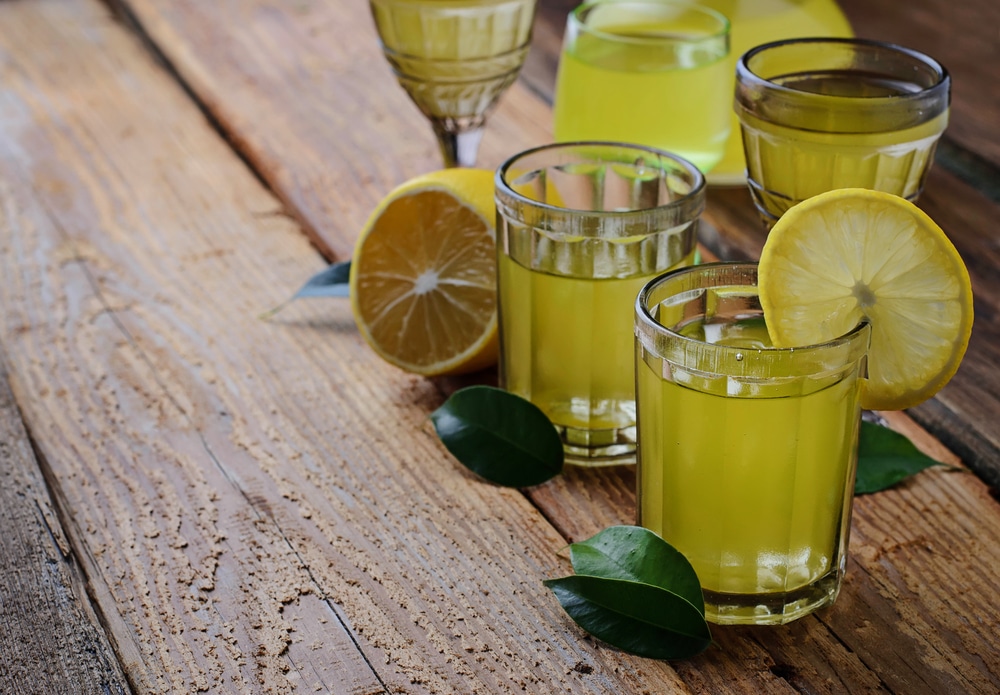
In contrast to the dark history of absinthe, limoncello is a bright, cheerful liqueur that feels like liquid sunlight. Originating from Italy’s lemon-rich Sorrento region, this candy-sweet drink is made by steeping lemon zest in high-proof alcohol and mixing it with syrup. Traditionally served ice-cold in small ceramic glasses after dinner, it serves as the perfect, refreshing conclusion to a Mediterranean feast.
While the flavors of these spirits vary wildly from one border to the next, the true value of trying them lies in the social experience. Stepping into a local bar and asking a neighbor for their recommendation is the fastest way to bridge the gap between tourist and guest. You may find that the local “firewater” is strong enough to singe your eyebrows, but the memory of sharing it with new friends will last far longer than the burn.
Summary of Europe’s Traditional Spirits
Exploring Europe through its regional spirits offers a unique lens into the continent’s history and daily life. From the resourceful distillation of Italian grappa to the artistic rituals of French absinthe and the fruit-rich brandies of the East, these drinks are more than just beverages—they are liquid traditions. By slowing down and sipping what the locals drink, travelers can gain a deeper, more authentic appreciation for the diverse cultures that make the European continent so captivating.