













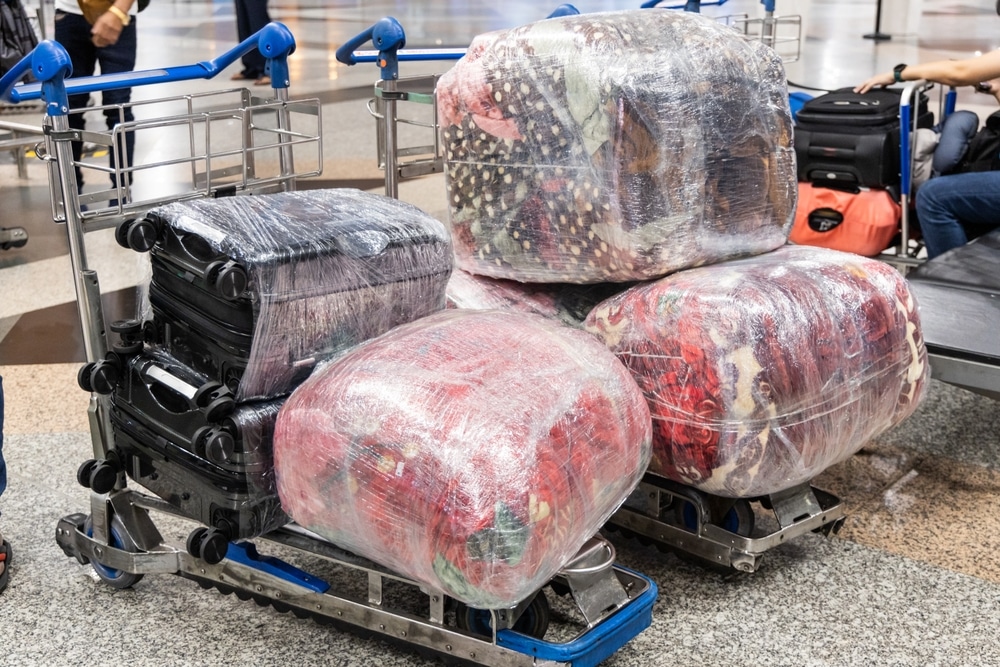
Travelers frequently encounter them in departure halls worldwide: those prominent kiosks where attendants encase suitcases in layers of vivid, industrial-strength plastic. To some, the sight of a shrink-wrapped bag is an unnecessary expense and an environmental eyesore; to others, it is a vital shield that offers security and peace of mind before handing their possessions over to the airline.
While the practice might seem like a niche travel habit, it remains a thriving industry in many international hubs. Understanding why passengers continue to invest in this service requires looking at both the physical realities of baggage handling and the complex psychology of modern air travel.
The Practical Advantages and Limitations of Luggage Wrapping
While luggage wrapping is less common in some regions, it is a standard procedure for many flying through hubs in Europe, Latin America, and South Africa. Industry experts note that there are several functional reasons to consider the service. Primarily, the plastic layer serves as a barrier against external elements. Suitcases often sit on the tarmac during heavy rain or snow, and a tight plastic seal can prevent moisture from seeping through zippers or fabric. It also keeps the exterior free from the dirt, grease, and scuffs that are inevitable in a high-volume transit system.
However, it is important to manage expectations regarding physical protection. While the film prevents surface-level abrasions, it cannot absorb the force of a significant drop or impact. For those solely worried about the aesthetic condition of their bags, many luggage manufacturers suggest using reusable fabric covers, which provide similar protection without the single-use plastic waste.
Security is the other major driver. In regions where luggage tampering is a documented concern, the wrap acts as a powerful deterrent. A plastic-wrapped bag is difficult to open quickly or subtly; a thief looking for an easy target will likely pass over a bag that requires a blade and significant time to penetrate. For travelers who have previously experienced theft or had their baggage claims denied by airlines, the visual confirmation of a sealed bag provides a sense of physical security that a simple lock cannot match.
Will Plastic-Wrapped Suitcases Trigger Extra Security Inspections?
A common concern among travelers is whether a wrapped bag signals suspicious behavior to airport security. According to officials from the Transportation Security Administration (TSA), this is a misconception. Shrink-wrapping a suitcase does not automatically move it into a high-risk category or trigger a manual search. Security teams evaluate bags based on X-ray imaging, K9 alerts, and explosive detection technology, regardless of how the exterior is packaged.
The main drawback occurs if a wrapped bag does require a physical inspection. While security agents will attempt to replace basic straps or fabric covers, they will not re-wrap a bag in plastic once the original seal has been cut. Travelers should be aware that some professional wrapping companies offer a guarantee, providing a free re-wrap service if the bag is opened by security at the departure airport.
The Deep-Rooted Psychology Behind Shrink-Wrapping Your Belongings
The risk of a suitcase being broken into or destroyed is statistically low when compared to the millions of bags processed daily. So why does the ritual persist? Psychologists point to a phenomenon known as the “illusion of control.” Aviation involves a significant loss of agency; passengers must surrender their belongings, undergo rigorous personal screening, and trust their safety to third parties they will never meet.
Wrapping a bag provides a tangible, tactile way to reclaim some of that lost control. When a traveler watches their bag being sealed, they are creating a visible boundary. This physical act translates the abstract anxiety of travel into a concrete solution. Experts suggest that for many, the “feel” of a sealed bag is more important than the actual strength of the plastic. It is similar to other traveler rituals, such as sanitizing tray tables or photographing a suitcase at the check-in counter—actions that offer emotional reassurance even if they don’t fully eliminate the underlying risks.
Why the Practice of Luggage Wrapping Remains a Global Travel Staple
The endurance of luggage wrapping comes down to its ability to mitigate the inherent stress of flying. Because travel environments are often unpredictable and opaque, humans naturally seek out strategies to make their journey feel more orderly. Even if the plastic wrap is removed and discarded just hours later, it has served its primary purpose during the transit period.
Ultimately, whether the wrap truly prevents a theft or a stain is often secondary to the confidence it provides. If a suitcase arrives at the destination intact, the traveler feels their precautions were successful. In an industry where so much is left to chance, the small investment in peace of mind remains a valuable commodity for many flyers.
Summary of Key Takeaways
Luggage wrapping serves as a dual-purpose tool for modern travelers, offering a physical shield against moisture and tampering while providing significant psychological comfort. While it is not a foolproof defense against heavy damage and comes with an environmental cost, its role as a deterrent in high-risk areas and a tool for “the illusion of control” ensures its continued presence in airports. For travelers, the decision to wrap often depends on their specific route, the value of their luggage, and their personal need for a visible sense of security during the transit process.