














Experiencing Belgian cuisine often evokes memories of dining al fresco in a bustling Brussels square beneath the gaze of historic medieval architecture. The culinary identity of Belgium sits at the fascinating crossroads where northern European heartiness meets French refinement, a delicious reflection of its unique geopolitical history.
The Cultural Fusion of Belgian Gastronomy
Because the Dutch-speaking Flemish population of northern Belgium was historically governed by the dukes of Burgundy, local cooking absorbed sophisticated French culinary techniques. Yet, Belgian cuisine maintains a distinct identity, particularly through the masterful integration of native beers that impart a rich, hoppy sweetness to traditional dishes.
Classic Flemish Specialties and Hearty Stews
Dishes prepared *à la flamande* typically feature either a beer foundation or a savory sauce composed of butter, chopped parsley, and crumbled hard-boiled eggs. Travelers should keep an eye out for marinated rabbit braised with onions and prunes, Liège-style meatballs coated in a dark fruit syrup made from apples, pears, and dates, and the comforting warm Liège salad containing green beans, potatoes, tomatoes, and bacon.
Stews are a cornerstone of the national menu. Options range from Ghent’s creamy *waterzooi*—prepared with chicken, eel, or white fish—to *stoofvlees* (beef stew simmered with onions, mustard, and beer), alongside traditional regional beer soups.
Traditional Mussels and Seafood Culture
Mussels stand out as one of the country’s most iconic culinary offerings. The classic preparation, *à la marinière*, features the shellfish steamed in white wine, onions, celery, parsley, and butter, though some chefs substitute a light Belgian beer. Creamier variations like *moules à la crème* are enriched with heavy cream, while others are served simply, with white wine, or in a tangy tomato-based *provençale* sauce.
The peak season for large Dutch mussels sourced from the coastal Zeeland region runs from mid-July through April. Locals typically avoid ordering mussels in May and June when only smaller Danish varieties are available.
The Art of the Belgian Fry Shack
Mussels are traditionally paired with *frieten*, universally known as french fries but referred to locally as Flemish fries. In Belgium, frying is treated with culinary precision, with nearly every town featuring a dedicated *frituur* or *frietkot* (fry shack). The secret to their superior texture is a rigorous double-frying process—initially cooking the potato through and finishing with a high-heat browning. Traditionally, the highest-quality fries are cooked to a golden crisp in savory ox fat.
While a dedicated potato museum exists in Bruges to celebrate the history of this beloved snack, visitors will find the most authentic experience at a local neighborhood fry stand.
Exploring Traditional Belgian Sauces
Rather than standard ketchup, traditional Flemish fries are typically accompanied by an array of savory condiments. Mayonnaise remains the undisputed standard, alongside tartar sauce, curry ketchup, and savory curry sauces without the tomato base. Adventurous eaters can also sample unique regional creations like samurai sauce, which blends mayonnaise with spicy chili and a hint of tomato.
Belgian Waffles and Confectionery Traditions
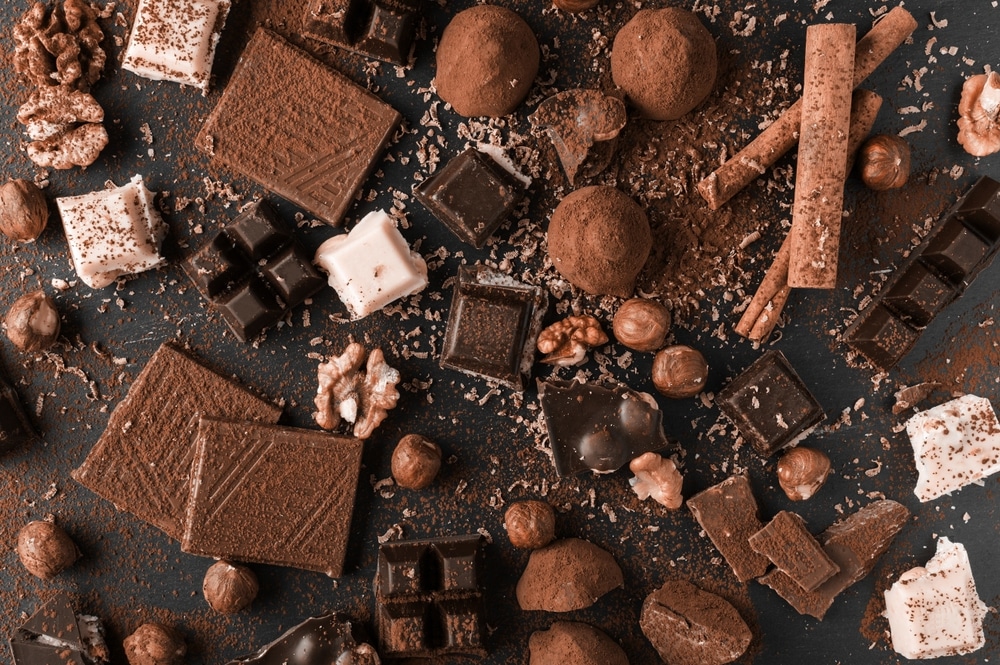
Beyond its world-renowned chocolates, Belgium is celebrated for its exceptional street-side waffles. Street vendors and small shops offer two distinct styles. Liège-style waffles are dense, sugar-crusted, highly sweet, and typically served warm as a convenient grab-and-go snack. In contrast, Brussels-style waffles are lighter, airier, dusted with powdered sugar, and occasionally garnished with marmalade or fruit. While visitors often treat them as a breakfast food, locals generally enjoy them as a satisfying late-afternoon treat.
When dining out in Belgium, visitors should note that dinner is served later than in North America, with restaurants generally empty of locals before 7:30 p.m. Additionally, establishments frequently charge for tap water or decline to serve it entirely, encouraging diners to pair their meals with local beverages.
A culinary journey through Belgium offers an unforgettable exploration of rich stews, perfectly crisped fries, fresh seafood, and sweet treats that highlight the country’s unique cultural heritage.