











Experiencing European Wildlife and Agricultural Traditions Up Close
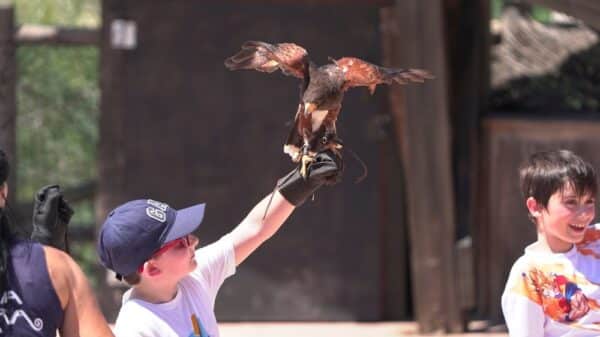
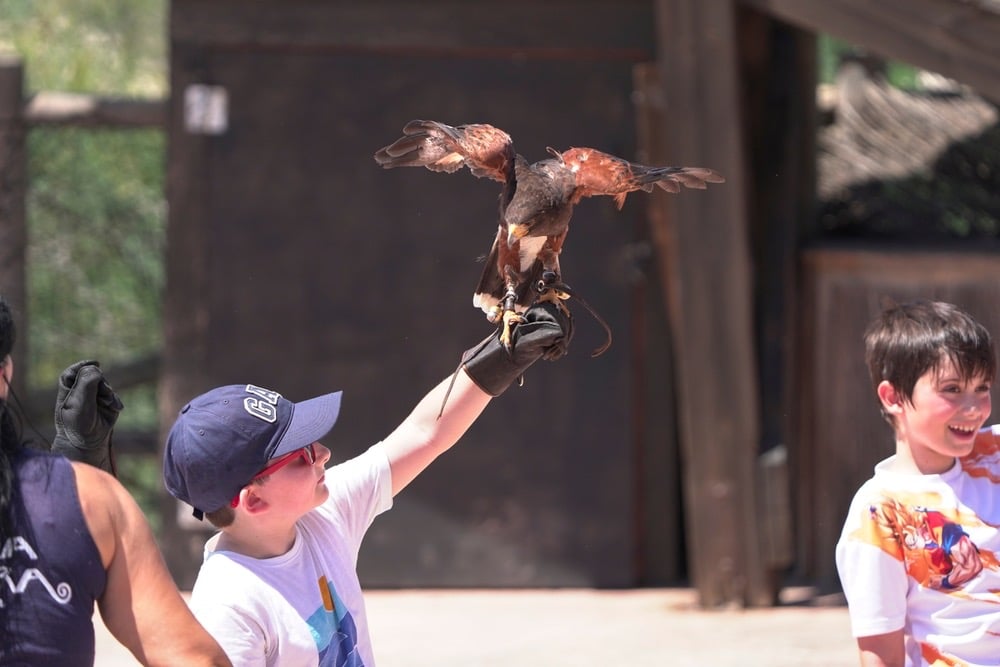
One of the most memorable wildlife encounters you can have while traveling is a hands-on falconry session. For example, at Ireland’s School of Falconry located near Cong just north of Galway, visitors can learn proper handling techniques for birds of prey. During a walk through the historic grounds of Ashford Castle, participants get the rare chance to fly a Harris hawk, tossing and catching the bird on a padded, bait-laden glove. This creates an intimate and engaging interaction that brings you face-to-face with majestic raptors.
Across Europe, travelers will discover a wide variety of memorable animal demonstrations and cultural traditions. These range from high-energy historic festivals like Spain’s Running of the Bulls or Siena’s Palio horse race to everyday rural customs such as sheep shearing and raptor handling. Whether grand or intimate, these encounters offer a fascinating look into local culture.
Alpine Animal Processions and Seasonal Herding Customs
In the Swiss resort town of Zermatt, nestled at the foot of the Matterhorn, visitors can witness a charming daily tradition: the goat parade. Every morning and afternoon, a flock of Valais Blackneck goats ambles through the town center. Recognized by their long horns, white rears, and distinctive black heads and shoulders, these animals are a cherished local symbol unique to the region.
Higher up in the Alps, travelers may also encounter traditional cattle drives. During spring ascents and autumn descents, herds of cows adorned with flowers and massive bells parade through alpine villages accompanied by herders in traditional folkloric attire. Because these events depend entirely on local weather conditions, exact dates are rarely scheduled far in advance. Travelers hoping to catch a glimpse should monitor online resources close to their travel dates and inquire locally. These vibrant processions are particularly prominent in Swiss locations like Engstligenalp and Appenzell, Germany’s Allgäu region in southern Bavaria, and numerous alpine valleys across Austria.
Classical Equestrian Artistry in Vienna and Jerez
For culture enthusiasts visiting Vienna, watching the Lipizzaner stallions perform at the Spanish Riding School is a must. Developed by Habsburg Archduke Charles through the integration of imported Andalusian horses and local bloodlines, these striking white horses are celebrated for their Baroque profiles and noble gaits. Visitors can secure affordable standing-room tickets to watch the stallions prance to classical Viennese music beneath the chandeliers of the emperor’s historic riding hall.
A similarly magnificent equestrian showcase takes place at the Royal Andalusian School of Equestrian Art in Jerez, Spain. Here, purebred Spanish horses and larger mixed breeds perform an elaborate equestrian ballet set to traditional Spanish music, complete with 19th-century costumes. Highly disciplined riders guide their talented mounts through complex choreography featuring jumps, hops, and precise maneuvers.
Rustic Charm at Traditional European Sheep Farms
Beyond grand horse arenas, traditional working farms offer a more rustic and personal look at working animals. At Kissane Sheep Farm in Ireland’s Black Valley near Killarney, a family has raised sheep across five generations on a sprawling 2,500-acre property. Visitors can tour the farm, converse with the family, and watch highly trained sheepdogs respond instantly to verbal commands. Demonstrations highlight local heritage, including traditional sheep shearing.
Similarly, at Working Sheepdogs near Inverness, Scotland, eager border collies demonstrate their herding prowess. Following an introductory talk on the history of shepherding and the working relationship between humans and farm animals, the shepherd uses whistles and shouts to guide the dogs as they expertly manage the flock. Experiences like these highlight both the intelligence of working dogs and the timeless rhythms of rural life.
Ultimately, incorporating animal demonstrations and heritage events into a travel itinerary provides a genuine window into generational customs and diverse ways of life, making any journey far more educational and memorable.